Data Dashboard
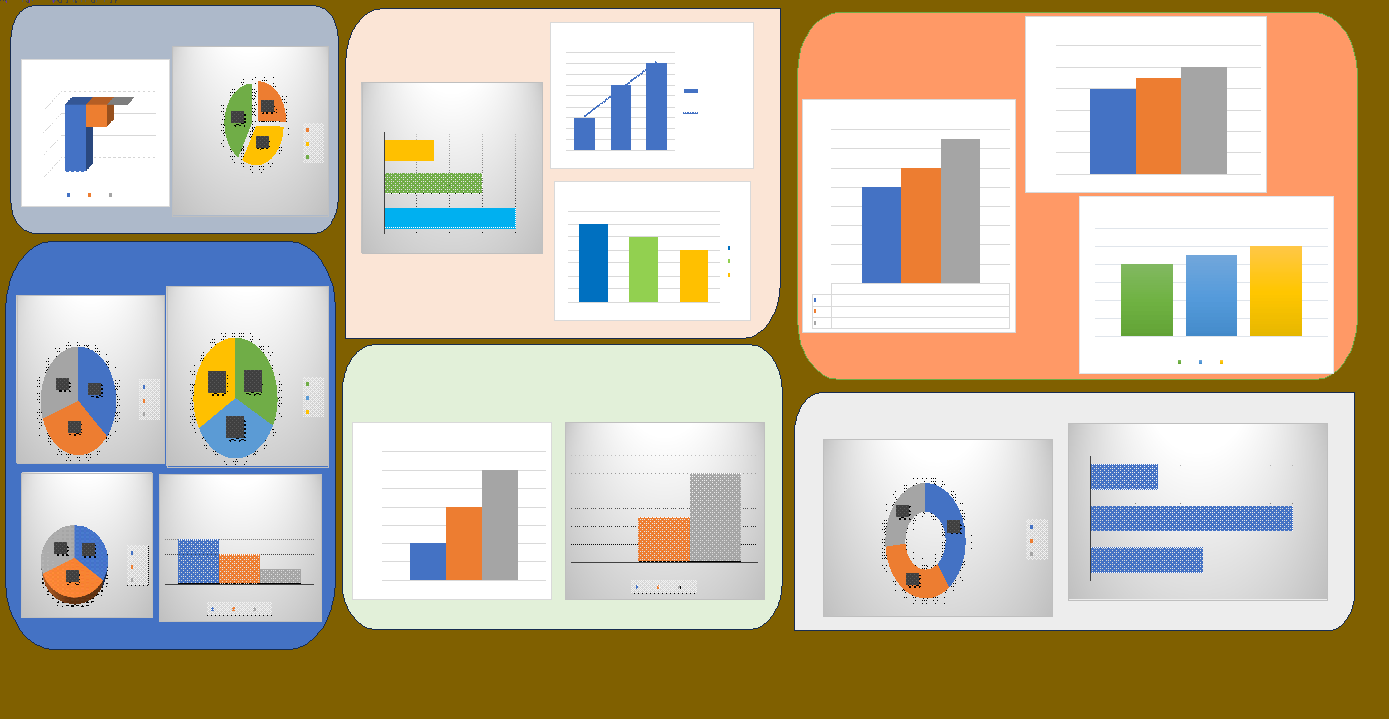
Figure 1: Data dashboard. Showing several metrics and their corresponding findings. Data from the provided metrics data from the assessment.
Section 1: Marketing Metric Analysis and Insights
According to the Coventry Tavern metric data, the findings indicate that there has been a slight decline in the company revenues, which has impacted the Pub’s revenue across the years. Although the revenue growth rate suggests a declining trend, the online performance seems to grow, with the annual order volume growing to £8,200 in the third year from a volume of £5,000 in the first year. As the dashboard indicates, a positive trend in online operations underscores customers’ rising preference for online and digital platforms. In addition, it highlights the undisputable power of online and digital channels in driving sales and generating revenues. The insight from this finding implies that Coventry Tavern should consider expanding its operation to online spaces to reach more markets. Expanding to online platforms implies a high potential to generate more revenue than physical stores.
The total number of tourists visiting the Pub has declined, implying an efficiency decline in marketing strategies. Total annual tourist visits dropped from 500 people in year 1 to 45 in year 3, which indicates the falling market and changing consumer preferences among tourists. The tourist market is looking for trendy hotels that are adaptable to current trends and tech. Tourist revenues per year drop successively, indicating a significant drop in the revenue target for the period. On the other hand, online presence has grown over the same period. By the second year, online followers increased to 630, which jumped to 650 by year three. This indicates the changing preference for engaging with hotels online before booking the services. This finding suggests that the Tavern should consider employing more focused marketing and promotional campaigns.
The revenue channels remain stable throughout the period despite a slight drop in numbers, symbolizing a declining performance. Although the drop is statistically low, it underscores the need to streamline the existing channel to improve the Pub’s net revenue. Private events are some of the key income sources that fetch significant revenue; however, during the three years, the revenue declined to £3,200 for £3,500 collected from these events by the first year. The merchandise line has recorded a drop in revenue over the first three years, an indicator of changing preferences in the existing merchandise set. This implies that the Tavern must revise the merchandise offering and align the product with the change in customer traits. Catering sales have remained stable across the period; however, comparing years two and three, the trend indicates a declining revenue from the catering line.
Foot traffic has increased year to year. Coventry Tavern has recorded a significant improvement in foot traffic from 2000 in year 1 to 2200 in year 3, a 10% increase, which is still lower than the targeted 20% in the short run. The findings imply that the slow improvements in foot traffic are related to fewer patrons attracted to the Tavern. This indicates the challenges with the Tavern’s strategy and marketing strategies responsible for driving foot traffic locally.
Lastly, the metrics for special events and promotions show an improvement in the number of special events held in Coventry Tavern. The performance and perception (according to attendance numbers) show improvement over the period. The number of events increased from 10 to 15 annually, which indicates that the Tavern is preferred for special events. This is due to the historical significance of the Tavern among the locals and its strategic location at the Centre of the city. Attendance to these special events has also seen a rise in numbers, from 400 in year 1 to 500 in year 3. This insight indicates improved preferences for the Tavern as the best destination for holding special events. Secondly, the significance and importance of the Tavern to the locals could be highly honoured, attracting a significant number of attendees. Notable insight from this finding indicates that special events can be practical tools and marketing strategies to drive sales, increase customer engagement, and drive significant traffic for the Tavern.
Metrics and Recommendation
Based on the above analysis and insights, Coventry Tavern must adopt new metrics and strategies to direct the Pub’s operation. As the Pub’s mission and vision seek to ensure growth within the Tavern, it will need new and more focused metrics to stay aligned with its objective of growing by 20%. The following are some of the new metrics that the Coventry tavern should employ to improve its performance:
Customer Lifetime Value (CLV)
According to Kumar and Rajan (2020), Customer Lifetime value estimates a customer’s net worth over their lifetime. It is generally the projection of the anticipated revenue the Tavern will generate across its relationship with the customer. CLV is a practical approach for identifying key customers’ needs and customizing marketing approaches to reach and retain them. It also involves collecting valuable details that relate to customer response rates, marketing costs, and conversion rates in a particular segment. By collecting and analyzing the customer lifetime value metrics, Coventry Taverns could understand its target customers’ buying potential and plan the key touchpoints to enhance customer loyalty and satisfaction and deliver sales.
Reason for Collecting: CLV metrics include customer purchasing behaviours and trends. It considers measures such as customer’s initial purchase, repeat purchases, and the average time spent within the business. It often provides critical insights to drive a successful customer retention strategy and maintain the focus on understanding the customer and delivering services that align with their preference. The data collected from CLV is essential in informing key paint points that must be acted on to improve customer experiences while increasing the overall revenue. Secondly, collecting the customer lifetime value metric is easy since it is based on observation and behaviour monitoring.
Social Media Sentiment Analysis
Social media and online data contain valuable sentiments that customers frequently use when engaging the Pub and its services. These sentiments include mentions, reviews, ratings, and user comments regarding a service or product offered by Coventry Tavern. Social media sentiment analysis involves collecting user/customer comments and reviews about the Pub and service and analyzing them to identify how customers perceive the business and its products. Analyzing social media sentiments is essential to the insightful findings about customer preferences, perceptions, and satisfaction levels. These are vital in designing the product line and promotion strategies to enhance the brand’s reputation.
Reason for Collecting: social media platforms significantly shape customer perceptions and influence purchasing decisions. Collecting social media metrics could help Pub identify and understand trends among its customer base, monitor the brand’s perception among its competitors, and address critical comments and concerns about its services and products. Secondly, it allows tailored marketing that resonates with target customers who are responsible for driving sales and engagements. Collecting this metric data is essential to ensure that Coventry Tavern can rely on data to make marketing decisions and achieve long-term business plans.
Employee Satisfaction Index
Employee satisfaction is usually linked to what customers experience. According to Hsu and Wang (2008), employee motivation is an essential element to the success of a business as they bridge the values of the company to its key customers. The employee satisfaction index measures the overall satisfaction and engagement levels of Coventry workers. It is a regular measure where surveys and feedback are asked from employees to aid in human resource analytics to understand the levels of motivation and new ways to motivate the workers.
Reason for Collecting: Whenever employees are satisfied, the service quality and engagement levels improve (Adupe, 2023), which is vital to ensuring the employees are satisfied. Moreover, the retention rates among satisfied employees are higher, which translates to improved revenues for the Pub. Through collecting employee satisfaction data, the Tavern can identify critical areas where employees are affected and address these and other concerns to improve customer engagement and service quality. Additionally, data collection is cheap, making the metric easy to implement in a pub like Coventry Tavern.
Section 2: Data Source Analysis
This section aims to assess and provide a framework for evaluating the appropriateness of the data source based on Reliability, relevance, and ethical considerations. In this report, several examples of data collection methods are explored, and based on the current metrics analysis, the best method for Coventry Tavern pub metric data collection state.
Based on Reliability, the metric’s data is sourced from internal databases and Coventry Tavern’s storage systems. The key metrics to be sourced internally include sales data, customer feedback, revenues, employee KPIs, and operational reports. Several approaches could be employed to collect data at Coventry Tavern. Key metrics could be collected through surveys on customer behaviours, perceptions, and feedback, as well as manual collection by counting foot traffic. The measurement approach’s Reliability depends on the recording process’s accuracy. The validation and verification of the metrics are anchored on the external factor, which may require externally sourced validation. Still, since the data and metrics are internally formulated and collected, the validation and verification are internal. To avoid biases on the validity of the data, cross-referencing among different industry benchmarks is essential to enhance data reliability. Peer review and data testing are imperative when calculating metrics since they should be transparent. Reviewing these metric calculation approaches is effective as it improves the Reliability and accuracy of the metric. Before declaring that a given metric is reliable, historical trends on that particular issue are reviewed, identified, and identified for comparison to enhance prediction and forecasting.
The metrics are designed and developed to align with Coventry Tavern’s objectives and interests concerning the relevance of the data and data sources. These needs of all stakeholders (including customers, management, and employees) are considered when defining metrics data. For instance, management metrics may revolve around increasing revenue and profitability, while customer engagement might include factors such as patron experience and interactions. Metrics address specific actionable and quantifiable insights influencing Coventry Tavern’s strategic planning. The metrics are designed to reflect the current trends in both micro and macro environments. This is done by regular consultation of real-time data to ensure the decisions made regarding the Tavern.
Ethical Considerations
Data privacy should be maintained when collecting metric information from customers and employees. Their consent should be sought before requesting them to complete any surveys. Another way to enhance privacy and confidentiality is to include anonymizing user details, such as names and identities. Formulating metrics should prioritize the essence of individuals’ rights and well-being so that no confidential and sensitive information is being collected. Bias in the metrics can result in the results being skewed due to inequality in data collection techniques. Transparency is another critical ethical consideration in developing and implementing metrics to ensure they increase the public’s confidence. Undesired outcomes from these assessments can be examined in depth, and consequently, the benefits will overrule the risks. Hence, the adverse impacts will be minimized.
Data Collection Approaches that Coventry Tavern could adopt
Adopting a survey with well-designed questions and a validated, representative sample effectively provides reliable and relevant insights into customer satisfaction, preferences, and feedback. Ensuring diversity within the representative sample by including different ages, social statuses, etc., will ensure that the data collected accurately reflects the opinions and experiences of Coventry Tavern’s customer base. However, regarding the ethical considerations of privacy and consent, all the respondents must be informed about the purpose of the survey and the extent of use of their data.
The Digital Analytics approach offers reliable and relevant metrics by collecting anonymized and aggregated data from digital platforms. The benefit of this approach is that it respects user privacy through anonymization, enhancing its Reliability. However, this approach needs more contextual appeal than direct customer feedback, as it could overlook specific demographics and behaviours that are not captured digitally.
Recommendation for Data Collection
Choosing metrics for data collection in Coventry Tavern should be a systemic solution that fits the whole operation well. Secondly, surveys are only helpful when integrated with well-written questions and created to include a representative sample of your customers to capture different customer responses and preferences. Surveys need to be done regularly to maintain a balance between frequency and user “wear-out.” This may be quarterly or biannually. The pace of business change will determine this as well. Digital analytics that is real-time on hand, besides survey data, also extracts regular metadata from the website or app usage and customer behaviour. The privacy guideline is enforced by implementing anonymous data and aggregate data collection.
First, as for timing, the surveys can occur following essential business events, e.g., when critical milestones for the business are reached or new business operations come into effect, whereas digital analytics would be monitored continuously. Using qualitative and quantitative methods for analysis is essential to determine the comprehensive information about the data. Qualitative analysis of survey answers can fuel more clarity on customer feelings and wishful thinking. At the same time, quantitative measurement of things like sales and KPIs is a numerical choice for assessing business performance.
Reglementary staff review should be set to discuss positive and negative findings, and based on such access, we will need to change strategies. Therefore, it is essential to formulate ethics at every step, agreeing with transparency about how user data is collected and user privacy security. Besides, bringing people from multifaceted organizational units into planning an activity in data processing creates a consistent strategy.
Alternatively, Coventry Tavern can use the varied and comprehensive technique of metric data collection to get in-depth, well-articulated information for their informed business decisions and where to make corrections to satisfy customers.
Section 3: Not-for-Profit Scenario
For the case of a non-profit pub, metrics such as volunteer participation will be vital to collect. Volunteer participation metrics represent the community engagement and support level, as the figure shows the Pub’s success in involving its local stakeholders. This metric quantifies the social welfare and community integration outcomes the Pub brings. Through tracking volunteer involvement, Coventry Tavern will identify the extent of community support and the areas that require improvement in volunteer recruitment and engagement techniques, and it will ensure that the organization stays within the mission of developing community cohesion and support.
Through volunteer participation, Coventry Tavern progresses its goals of being non-profit and acting as a community engagement driver. This indicator implies the number of volunteers directly; hence, the organization’s goal to foster a communal environment is met. They all speak to progress towards social impact by demonstrating the active involvement of the people, which aligns with the Pub’s mission of promoting social cohesion and assistance.
Stakeholders view volunteering participation as the engagement of beneficiaries, donors, volunteers, and communities. It demonstrates the community’s interest in the Pub and helps ensure that stakeholders’ concerns are considered and their views and needs are appreciated and considered.
Regarding impact measurement, volunteer participation must be viewed as an indicator of long-term community engagement and support. It monitors the organization’s impact on maintaining social cohesion among the beneficiaries and the local community.
Financial stability is indirectly addressed through volunteer participation metrics. Although these indicators will not be directly measured, an engaged volunteer base will cut operational costs, strengthen fund-raising efforts, and help the Pub attain financial stability through community support and resource access.
Transparency and accountability volunteer participation is also a means through which transparency is advanced by exhibiting the community’s involvement and accountability by displaying how resources (volunteers in this case) are used to achieve the organization’s objective. It provides community stakeholders access to the Pub’s operation, which builds trust and accountability in the community’s relationship with the organization.
Section 4: Business plan for the Coventry Tavern
| Factor | Explanation |
| Strengths | -Rich history and strong local presence, providing a solid foundation for customer loyalty and community engagement. – The Pub’s exceptional food and drinks reputation contributes to its competitive advantage. |
| Weakness | – limited online presence and potential reliance on traditional marketing methods |
| Opportunities | – leveraging data analytics to drive targeted marketing strategies and enhance customer engagement. – Expanding revenue streams through catering, private events, and merchandise sales aligns with the Pub’s long-term goals. |
| Threats | – increasing competition from other local establishments and potential economic downturns affecting consumer spending. -Changing customer preferences and tastes. |
Business goals and their KPIs.
| Objective | KPIs | Deadline |
| Increase Foot Traffic | 1. Monthly average number of patrons visiting the Pub. 2. Percentage increase in foot traffic compared to previous periods. | Six months |
| Enhance Customer Loyalty | 1. Number of repeat visits per customer within a specified time frame. 2. Participation rate in the loyalty program. | One year |
| Improve Online Presence | 1. Number of website visitors and unique page views. 2. Engagement metrics on social media platforms (likes, shares, comments). | Ongoing |
| Expand Revenue Streams | 1. Percentage of revenue from additional income sources (catering, private events, merchandise sales). 2. Revenue growth compared to previous periods. | Three years |
The analysis in the section provided the overall Pub’s health and indicated vital areas to consider when planning on business goals. For instance, the trend identified on the dashboard illustrated the expected growth of the foot traffic, which informs the structuring of the business objective to ensure they are actionable and valid.
References
Adupe, E. M. (2023). Examining the Effects of Employee Engagement Level, Self-Efficacy, and Service Quality on Customer Complaints Among Employees in Online Banking and Financial Services: A Quantitative Causal-Comparative Non-Experimental Study (Doctoral dissertation, Northcentral University).
Hsu, S. H., & Wang, Y. C. (2008). The development and empirical validation of the Employee Satisfaction Index model. Total Quality Management, 19(4), 353-366.
Kumar, V., & Rajan, B. (2020). Customer lifetime value: What, how, and why. In The Routledge Companion to Strategic Marketing (pp. 422-448). Routledge.
 write
write