Introduction
China’s market presents MEM with a significant chance to get more students and improve global recognition. As more ambitious Chinese students want to acquire quality education outside of their native country, MEM can specifically focus on this market segment. Chinese Students make the academic environment of MEM more diverse and globally respected with their different perspectives. These migrations can also spark international relations, research partnerships, and funding options (Abad-Segura, 2020).

MEM, having an NBS major in Management and Organizational Studies (MOS), Economics/Financial Economics (ECON), and future intelligence initiatives, witnesses a trend of updated enrollment. At the same time, there is a concentration on increasing student admission and enhancement of cultural backgrounds, as well as incredibly diverse and international students. Though the number of local and international students is now half, the other half is defined as targeting specifically China, which is necessary for sustainable enrollment. Targeting niche markets by tapping into the strengths of MEM allows the organization to compete amidst a range of diverse forces and gain increasing attention from the talent pool.
The primary objectives of the digital advertising strategy for MEM targeting the Chinese market are multifaceted:
Increase Enrollment: The overall aim is to reach a plateau of enrollment from Chinese students engaged in the program areas of MEM that would stir up the more significant growth and ethnic diversity that are desirable.
- Enhance Brand Awareness: Construct and solidify the identity of the Management, Economics, and Related Studies Department as the brand of MEM and a trendy choice for students seeking management, economics, and other fields of education in China.
- Engage Prospective Students: Design exciting digital marketing campaigns that align with Chinese students’ aspirations, interests, and other aspects that create the Jia Yuan mood for them and encourage them to investigate MEM and engage the institution.
- Drive Conversions: Create and run various digital marketing campaigns that will aid in converting interested leads to students, put in place personalized communication, and streamline enrollment processes.
- Measure and Optimize: The use of robust monitoring and statistics protocols developed to measure campaign performance, analyze main metrics, and make decisions based on data will work. These tools help to have maximum campaign return on investments and assess campaign effectiveness.
By setting up a targeted online advertising campaign involving VUK’s objectives to market share in China, attract students, and make an unforgettable experience for everyone, MEM seeks to become a leading higher education institute and provide all these great learning experiences to new students.
Understanding the Chinese Market
Chinese students, who usually come from 18 to 25, have different cultural backgrounds and tend to major in STEM, business, and humanities. They are tech-savvy, using mobile phones and social media for communication and information. Inspired by academic names, career expectations, and cultural enrichment, they look for schools that have good faculty, research opportunities, and an encouraging atmosphere. Nevertheless, they need help with problems like language problems and visa problems. Their decision-making will be based on thorough research research, consulting, and thinking about their following job opportunities. Personalizing the marketing messages to their interests and preferences, handling cultural differences, and creating customized support is fundamental. The advertising package should consider indigenous language, imagery, cultural references, educational format, and campus facilities. Students can find connections and a sense of belonging by understanding their needs and preferences.
Developing a Comprehensive Buyer Persona
The ideal buyer persona in the digital advertising of Chinese international students to pursue MEM is a data-driven avatar of the perfect customer. Forms, questionnaires, and interviews collect demographic, interest, and decision-making data. In line with this, marketers target their strategies and content to guarantee that their campaigns speak to the audiences correctly. Data will be gathered through templates and tools to have complete profiles. This systematic method helps not only to understand but also to engage Chinese international students who are interested in MEM.
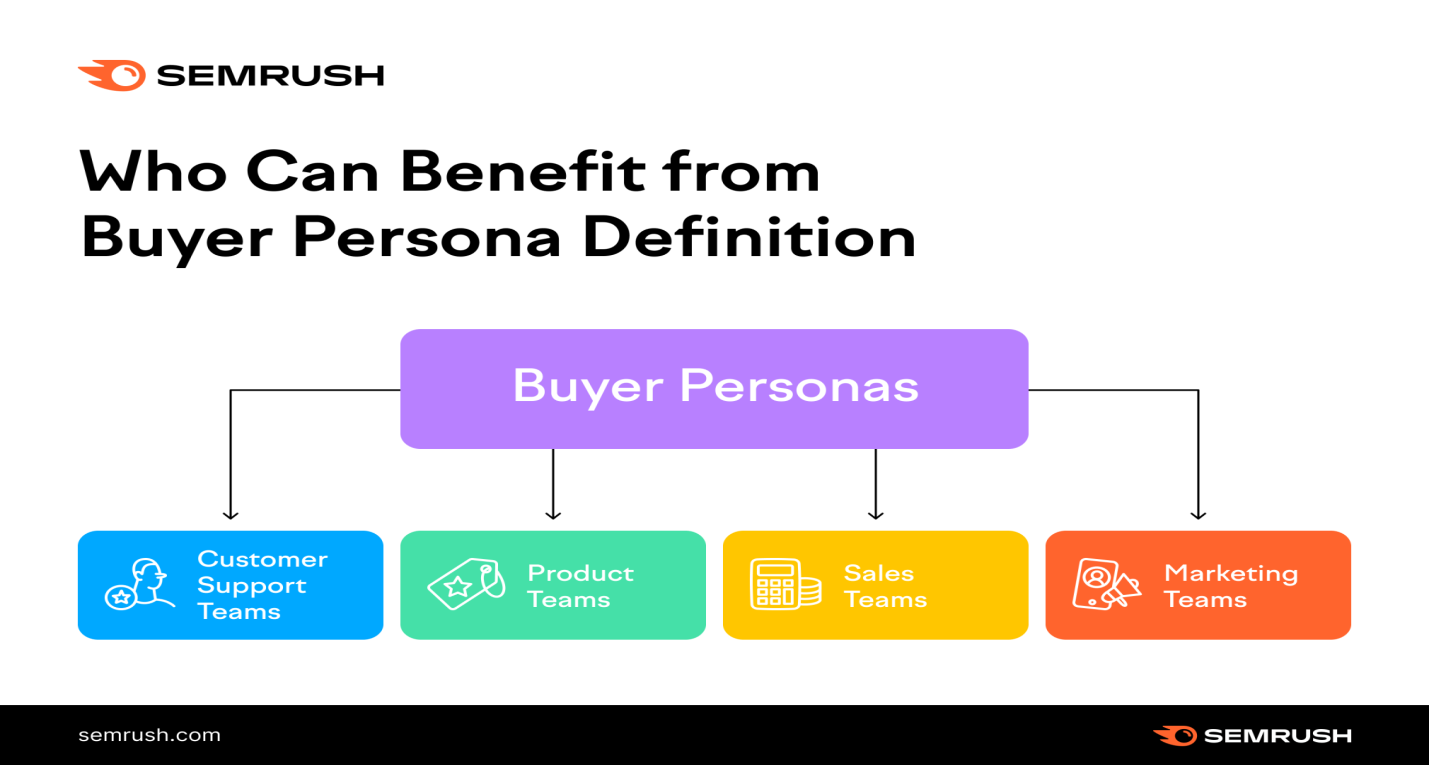
Developing a buyer persona requires collecting data from three categories to target a Chinese student audience. They include demographic profiles (age, gender, location), psychographic information (what motivates them, their challenges, the value systems they cherish), and there also should be an understanding of their shopping habits and online behaviors.
The effectiveness and comprehensiveness of a buyer persona can be evaluated based on several criteria:
- Accuracy: Whether the myth is an excellent fit to the actual traits and features of the Chinese students not only majoring in MEM but also interested in this study or not is the question.
- Relevance: Does the conceptualization and data integration in persona support the operational offerings, value offerings, and business goals?
- Actionability: Can the personality be commercialized in audience-centric strategies, campaigns, and messaging that create appeal and persuasiveness among the targeted audience?
- Consistency: Does the persona conform to other market research data, consumer opinions, and industry trends?
- Impact: To what degree does the person concerned as the basis for the thought increase the frequency of interactions, purchases, and subscriptions in Asian countries?
- The marketers, by looking at feedback and numbers and after gathering information, will update the buyer persona regularly. In this way, they can rest assured that the persona is correct and can be used in future digital advertising campaigns.
Mapping the Buyer’s Journey
The buyer’s journey consists of three key stages: Awareness, Evaluation, and Decision. Every stage corresponds to the decision-making phases and customized marketing techniques to navigate them through the process smoothly.
- Awareness Stage: In this stage, the customer discovers a problem, need, or chance. They begin studying and examining the available solutions and ways out. The aim is to attract their attention and convince them of the advantages of MEM membership, values, and offerings.
- Consideration Stage: This phase is when the potential customer assesses various options and considers if MEM’s offerings align with their targets, likes, and needs. The focus is on the dissemination of detailed information, the addressing of their concerns, and the showcasing of the exclusive proposition of MEM.
- Decision Stage: In the last stage, the customer decides and takes action, such as joining a program, scheduling a campus visit, or contacting admissions. The focus is ensuring the problem-free conversion process, briefing on the advantages, and providing simple instructions.
However, the Chinese international students interested in MEM will differ at each stage of the buyer’s journey according to their experience and exploration. At the awareness stage, they can search universities abroad, select fields, and make inquiries about opportunities in Canada. The evaluation process for this stage includes an in-depth exploration of the MEM course offerings, a comparison with other institutions, and an analysis of faculty expertise, program curriculum, and career prospects. At the last stage, they consider these criteria, such as the availability of scholarships, campus facilities, and student services, and how aligned they are with their academic and personal objectives.
At every step, there are corresponding challenges, opportunities, and possible implications of the advertising strategy. For instance, in the awareness stage, the challenge could be to stand out among competitors by utilizing precise ads, informative content, and engaging social media campaigns. Possibilities are the presence of strengths, such as small class sizes, industry partnerships, and career development programs, which can make MEM stand out. Consequences arise with the quest for multilingual content, localization of information, and culturally tuned visuals to engage with Chinese students successfully.
Tailored strategies are required to meet Chinese students’ concerns at different stages. For example:
- Awareness Stage: Use targeted social media ads, content marketing, and search engine optimization for greater visibility and brand awareness.
- Consideration Stage: Provide virtual campus tours, webinars, and custom individual consultations to have detailed information available and answer specific questions.
- Decision Stage: Offer enrollment instructions, financial aid information, and support services in one place to simplify enrollment and encourage students to choose MEM confidently.
By analyzing the intricate details of the consumer’s experiences and adapting their strategies accordingly, MEM can efficiently guide Chinese students through decision-making and increase conversions.
Formulating the Digital Advertising Strategy
MEM’s digital advertising strategy is aimed at Chinese international students who are potential program applicants. It integrates buyer persona insights and buyer journeys to align the marketing effort and needs of the buyer. Media like WeChat, Weibo, and TikTok are used for tailored ads. SEM is aimed towards relevant keywords, and influencer partnerships and virtual events would increase engagement. Such tactics involve a 5% enrollment rise at every stage of the buyer’s journey, featuring, for example, targeted social media ads and personalized webinars. Decision-stage interventions emphasize enrollment bonuses and strong call-to-action campaigns. The in-depth plan includes social media advertising, paid search campaigns, content creation, success measurement, integrating illustrations, references, and best practices for efficiency. Learn from case studies and expert insights, which will help maximize ROI and campaign success during the process.
Implementation and Measurement
The strategy is implemented digitally on platforms like WeChat, Weibo, and TikTok during implementation. SEM keywords and bids are perfected, influencers are connected, and virtual events are conducted. KPIs such as click-through rates, conversions, lead generation, and enrolment are constantly measured to help make strategic decisions like adjustment of ad creatives and budget reallocation. A clearly defined timeline that highlights milestones, launch dates, and evaluation period. Intended results include a rise in CTR, conversion rates, the quality of leads, and the MEM enrollment number, which will be tracked regularly by referring to devoted KPIs for said purpose.
Conclusion
MEM’s advertising strategy works to target Chinese students by traversing the buyer persona analysis, the buyer’s journey, and the best practices in digital marketing. Using WeChat, Weibo, and TikTok, among other SEM platforms with personalized messaging, focuses on engagement and conversion; it expects the CTR, conversion rates, lead generation, and a 5% enrollment increase to go up. The current strategies are based on performance monitoring, audience research, and constant optimization to sustain growth. In the future, we will use different channels and imaginative techniques to increase competition among applicants.
References
Abad-Segura, E., González-Zamar, M. D., López-Meneses, E., & Vázquez-Cano, E. (2020). Financial technology: a review of trends, approaches, and management. Mathematics, 8(6), 951.
Chen, T., Tong, C., Bai, Y., Yang, J., Cong, G., & Cong, T. (2022). Analysis of the evolution of public opinion on the normative policies for the live-streaming e-commerce industry based on online comment mining during the COVID-19 epidemic in China. Mathematics, 10(18), 3387.
Duan, X., Liang, Y., & Peng, X. (2024). Free school meals and cognitive ability: Evidence from China’s student nutrition improvement plan. Health Economics.
Lin, V. S., Qin, Y., Li, G., & Wu, J. (2021). Determinants of Chinese households’ tourism consumption: Evidence from China family Panel studies. International Journal of Tourism Research, 23(4), 542–554.
Lisnik, A., & Majerník, M. (2023). Aspects of strategic management and online marketing. In Developments in Information and Knowledge Management Systems for Business Applications: Volume 7 (pp. 49-80). Cham: Springer Nature Switzerland.
 write
write