Introduction
In the modern digital ecosystem, organizations are more indispensable to the IT architecture that is the foundation of process efficiency, business edge, and revolution. The main obstacle is discontinuing legacy systems that are quite old and very often outdated IT solutions that can significantly affect the organization’s efficiency and reduce data security and scalability. This widespread problem stands in the way of future growth and constitutes a serious threat to the whole system of business activities, changing the patterns of everyday operations. Getting the scope of this problem out of the way needs a methodical and systematic approach, and the SDLC model is the best solution for this purpose. This paper will examine the strategic integration of the SDLC into legacy systems and transform an organization’s IT infrastructure and information processing environment in a sustainable, scalable, secure, and highly efficient manner.
Problem Identification
The Problem
Currently, where technology is changing very fast, many organizations are burdened by legacy IT systems that are no longer compatible with the requirements of modern business processes. These archaic systems are more than obsolete technologies from past periods; they hinder organizational efficiency, increase operational costs, and enhance security vulnerability. The systems represented by old technologies and rigid structures are generally less responsive to the latest requirements, such as scalability, data throughput, and variations in data. This inconsistency, on the other hand, not only strains financial resources but also presents significant cyber security hazards that minimize the organizations’ operational integrity and competitive position (Irani et al., 2023). The necessity for resolving these issues must be considered, as it shows the need to adopt intelligent and innovative system upgrades and modernization plans.
Impact on the Organization
The inefficiencies caused by outdated information technology systems affect the organization more than just interrupting business operations; they even terribly undermine their finances and reputation. In terms of finances, the waste of money takes a front seat in excess maintenance of old systems, often incompatible with new technologies, thus leading to a huge loss of resources. Productivity is being reduced as employees need help finding ways around obsolete software and hardware, which slows down innovation, response time to market changes, and general working tempo. Legacy system security vulnerabilities can severely damage an organization’s reputation, eroding customer trust and the chances of exposure to legal and regulatory bodies.
Importance of a Solution
Investing in the IT infrastructure is at the core of those companies that aim to maximize efficiency, ensure data security and integrity, and remain competitive. Modern IT infrastructure updates serve businesses by establishing better workflows, programs, and networks, making them more advanced and exceptionally productive (Queiroz et al., 2020). Such installations will ensure data security and create a quality platform businesses will use to outcompete their rivals. Redesigning IT infrastructure involves keeping up with the latest technologies and allowing businesses to innovate and better serve customers. Updating the IT infrastructure is a strategic investment that provides the foundation for business growth and data security in the modern digital world, where the speed of technology development is continuously increasing.
SDLC Analysis
a) Planning and Requirements Gathering
Modernizing the organization’s IT infrastructure is an intentional, strategic thrust to increase its operational efficiency and rationalize achieving the targeted objectives. The modernization here is not only a technology upgrade but rather an improvement of the IT infrastructure for more effective operations, a higher speed of reaction, and thus a competitive edge. This strategic dimension involves devising a holistic planning approach that will eventually incorporate specific projects, drastically reducing the risks and setting a foundation for future endeavors. Modernization entails mastering the organization’s goals, the technology landscape, and potential issues and technology improvements.
A vital part of this job consists of finishing a complex analysis that plans the requirement implementation and gathering. Covering a few stakeholder interviews, surveys, and an in-depth review of all the existing system documents forms the basis of this project’s mapping, beginning with identifying all its tasks and objectives. This multi-layered approach guarantees that the most effective and inclusive modernization efforts are undertaken by all the parties involved. Maintaining the effectiveness of the IT facility in this area is of great importance. This involves limiting downtime and ensuring a steady expansion of products by taking care of the many technical operations that play out even on the virtual platforms. This requires undertaking tasks such as overseeing property lifecycle, managing capacity, maintaining network utilization, looking at security, and many other duties.
b) Analyzing System Needs
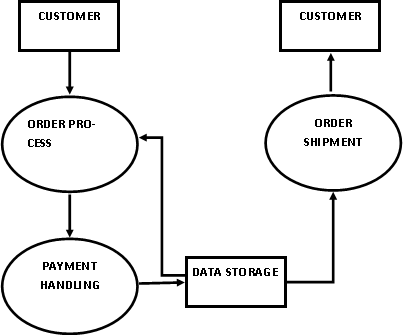
Through a data flow diagram (DFD), I pinpoint the areas where improvement is required and highlight problematic areas of the current IT infrastructure. The present DFD harbors noticeable bottlenecks in data processing, redundant processes that waste scarce resources, and areas that are more vulnerable to security threats, which depict poor efficiency in the system and a high risk of cyber breaches. This system is proposed to be improved via modern technologies and comprehensive user safeguards, which foresee the smoothest and safest information flow with no redundancies among the participants. This refined DFD indicates a more functional, safe, and resilient system architecture with high accuracy for the precise areas where technology usage or deployment is better off for the overall improved system performance and security posture.
c) System Design
The proposed system takes advantage of the advanced features of the building blocks of cloud computing, integrating multipurpose security guidelines to maintain the confidentiality of data throughout the system. Adopting a cloud-based architecture allows the most appropriate resource provisioning and ensures performance maximization, as there is no necessity for huge investments in physical infrastructure. Scalability is, therefore, critical for dealing with a varying workload, from regular tasks to peak periods of activity, which allows businesses to operate smoothly without facing any disruptions and for better protection against cyberattacks and unauthorized access. Combining these advanced security protocols, such as encrypting data while in transit and testing regularly regularly, would guarantee data privacy and integrity.
Among the most exciting features of the new system is the human-computer interface (HCI), which is user-friendly and easy to use and has accessibility levels for people at different stages of technical evolution. Thus, shifting to the HCI approach reduces the necessity of complex training requirements, while the engaging content can be fairly easy to understand and navigate through. For example, they can be tailored to display information and notifications important to each user’s role, reducing the time spent on traditional and lengthy decision-making processes. Furthermore, the system design has mobile access and collaboration tools among its features since mobility and teamwork are critical for remote work. The HCI above enhancements increase general comfort for users, boost work productivity and operational efficiency, and provide a more natural and effective communication between options and the system.
d) System Testing
A well-designed system testing strategy should be prioritized for a reliable system architecture. The first stage is unit testing, a smaller approach that includes verifying the outputs of each module and general estimation. This degree of accuracy enables every module to function properly in isolation, providing a good basis for module testing that will ensure seamless performance of the full engine. The testing of integration comes next, targeting to see if the units that have been separated can interact seamlessly. This phase is key because the disproportions and errors in the data route and system process integration rate can be identified and remedied here. In this way, the system can work harmoniously as a single unit. User acceptance testing (UAT) is the final stage of the testing process, where most end-users who would be the real beneficiaries of the system join in the testing effort and see whether they can use the system in real-life scenarios. The UAT ensures that the system addresses all the business specifications given and meets the needs and expectations of the users, making the system ready for deployment. This phased process combined serves as the framework that ensures the system’s integrity and functionality, thus achieving the business goals and fulfilling the user’s satisfaction.
e) System Implementation
The implementation phase has been thoughtfully created to facilitate a seamless transition to the new system with minimal disruption to daily operations. The central component of this plan is the whole training scheme, designed specifically to provide users with the skills, knowledge, and abilities they need to use the new system successfully. This plan includes a mix of online tutorials that are flexible with users’ schedules, interactive workshops providing hands-on experience, and helplines for real-time assistance, thus increasing chances for the users to become master users of the system. Mitigating this risk is also the cornerstone of the philosophy of this application, and its first step involves deploying the system for non-critical operations. This gradual, well-thought-out approach toward the execution of implementation is designed to ensure a smooth transition of the new system into the organization’s workflow, enhancing operation efficiencies and productivity.
f) Maintenance
In order to satisfy its future needs, a maintenance plan must be developed on every account of the system’s efficacy, security, and alignment with the current work process. This action plan integrates the periodic system evaluations to determine the performance and find areas for adjustment so the system keeps the initial high standards at its implementation. Besides that, it provides regular software and hardware component updates, putting up a barrier to damaged systems and keeping pace with new technological innovations. As part of the ongoing support, the maintenance strategy calls for developing mechanisms such as surveys and suggestion boxes, which let users report problems and suggest improvements. This feedback loop allows swiftly addressing any upcoming issues and joins the users’ sense of responsibility to the system. (Metso et al., 2018).
Conclusion
The SDLC approach enables organizations to define approaches systematically, and when issues emerge, the problem is solved through a suitable solution. One of the key mechanisms through which the SDLC provides organizations with a streamlined way to create effective, robust, secure, scalable, and efficient systems lies in the systematic phases of analysis, design, testing, and implementation. This comprehensive approach shifts the focus to developing and improving a system that can handle the current operational requirements while still having the advantage of implementing future changes. Therefore, using SDLC in IT infrastructure issues will help organizations strike a balance between technical breakthroughs and strategic business alignment, promoting sustainable growth and competitive advantage in the age of digitalization.
References
Irani, Z., Abril, R. M., Weerakkody, V., Omar, A., & Sivarajah, U. (2023). The impact of legacy systems on digital transformation in European public administration: Lesson learned from a multi-case analysis. Government Information Quarterly, 40(1), 101784. https://doi.org/10.1016/j.giq.2022.101784
Metso, L., Baglee, D., & Marttonen-Arola, S. (2018). Maintenance as a combination of intelligent systems and strategies: a literature review. Management and Production Engineering Review, 9(1), 51-64. https://bibliotekanauki.pl/articles/406710.pdf
Omotunde, H., & Ahmed, M. (2023). A Comprehensive Review of Security Measures in Database Systems: Assessing Authentication, Access Control, and Beyond. Mesopotamian Journal of CyberSecurity, 2023, 115–133. https://doi.org/10.58496/MJCSC/2023/016
Queiroz, M., Tallon, P., Coltman, T., & Sharma, R. (2020, January 7). Digital infrastructure, business unit competitiveness, and firm performance growth: The moderating Effects of Business Unit IT Autonomy. https://scholarspace.manoa.hawaii.edu/handle/10125/64435
 write
write