1.1 Introduction to IoT in Manufacturing
The emergence of the Industrial Internet of Things (IIoT) has, with its emergence, brought about a massive paradigm shift in the manufacturing landscape towards much greater connectivity and data-driven dynamics. This is evident from the statistics representing the value of the global market for IoT in manufacturing at 209.44 billion in 2022 and projected to be worth 397.86 billion by 2026 (Bhattacharjee, 2023). This digital transformation ensures new efficiency, productivity levels, and innovation following today’s trend towards Industry 4.0—an epoch of intelligent industry characterized by complete automation and data exchange in manufacturing technologies.
The relevance of IIoT to the manufacturing industry is further underscored by the changing dynamics of customer expectations that are now leaning on continuous engagement and tailored services. The move opened the way for models such as Product as a Service (PaaS), which utilizes IoT to offer more than simple physical products (Boggess, 2020). These trends point directly at IoT as the key to any business environment undergoing rapid change for full adoption.
Purpose of the Study
This research looks deep into the recent trends regarding the Internet of Things in the manufacturing sector, their potential applications, benefits, processes for implementation, resultant changes to the workforce, and associated risks. The core of this research lies in providing an exhaustive analysis that gives MBA students a comprehensive understanding of how digital transformation through the Internet of Things can alleviate the industry-specific challenges and the opportunity domain, particularly in manufacturing.
1.2 Scope and Objectives
Scope
The research will restrict the analysis of the influence and implementation of IoT technologies within the manufacturing industry. It will include such trends as predictive Maintenance, AIoT (Artificial Intelligence of Things), and digital twins. At the same time, the most recent upsurge in cyber resilience proves to be an Achilles’ heel for it (Tsymbal, 2024). This will surface practical areas of IoT adoption in manufacturing—from operational enhancements to strategic business model shifts—by explicitly focusing on these areas.
Objectives
- To Identify Recent IoT Trends: This section describes the main technological advances and methodologies outlining the future of manufacturing under the impact of IoT.
- To review the benefits and application of IoT in assessing how IoT technologies may enhance efficacy, productivity, safety, and innovation in manufacturing processes.
- To Analyze the implementation process, we will examine the Steps to integrate IoT solutions into manufacturing operations, challenges, and best practices.
- To Discuss Workforce Implications: This will discuss how IoT adoption influences the roles, skills, and working conditions of employees in the manufacturing sector.
- To Consider Potential Risks. In the context of manufacturing, it is possible to outline the following sets of problems for consideration:
Identification of potential threats in cybersecurity and other risks related to IoT technologies. Thus, the following are the objectives presented by the research: produce valuable insight into the potential of IoT to offer transformation in manufacturing and a roadmap of opportunities and challenges of digitalization for this vital industry sector.
2.0 Background Research/Literature Review
2.1 Business
Industrial Internet of Things (IIoT), implemented through the Internet of Things (IoT) in the manufacturing sector, is a strategic change initiative toward operational efficiency and renovation. In their recent studies and publications of reputable sources such as McKinsey, Research and Markets, and Digi International, the pervasive effect of IoT is outlined across various business facets in the manufacturing industry.
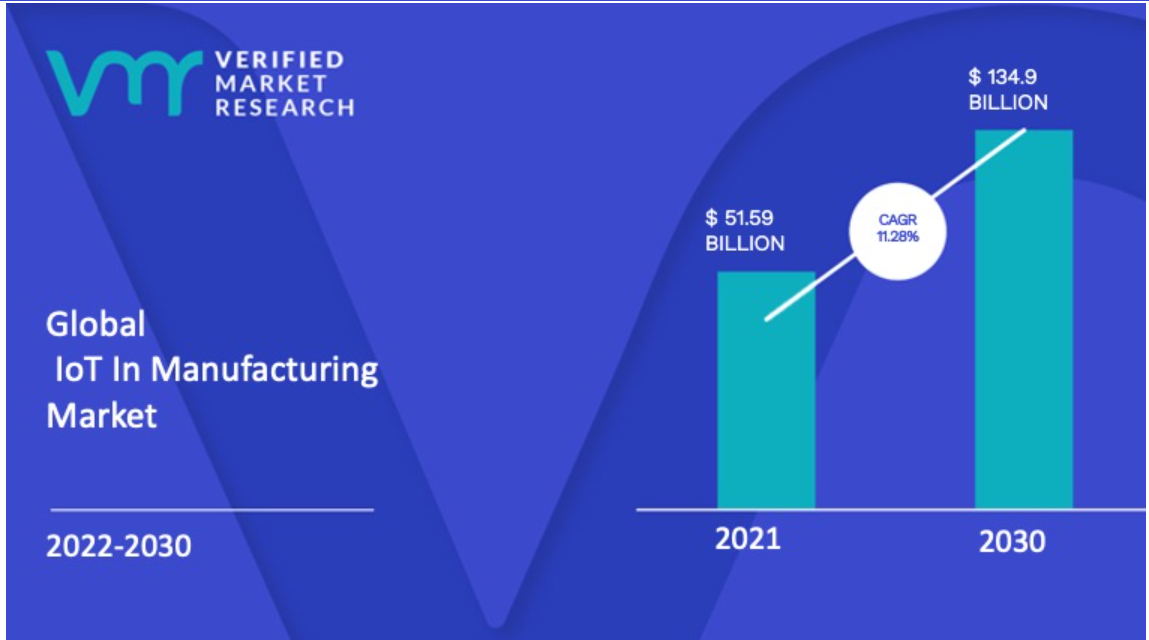
Economic Impact and Market Growth: The IoT market in manufacturing was valued at $51.59 billion in 2021 and is expected to reach $134.94 billion by 2030, growing at a CAGR of 11.28% from 2022 to 2030. That provides another excellent proof of how quickly IoT technologies can be adopted and scaled with their potential in manufacturing surroundings.
Figure 1: Economic Impact and Market Growth for IoT in Manufacturing
Source: (Verifiedmarketresearch.com, 2024)
Operational Efficiency and Quality Improvement: IoT technologies have fairly increased manufacturing quality and operational efficiency. Products in a smart factory, through IoT sensors and automated systems, can be monitored for preciseness and speed at much better levels compared to age-old conventional ways, thus reducing deviations and safety standards. For instance, recent digitization efforts have reported that deviations in manufacturing are over 65% reduced, thus enhancing product quality and reducing the recall rate (Kurduban, 2024).
Predictive Maintenance is one of the critical applications of IoT in any manufacturing unit. It aids in using machine learning and analytics to predict equipment failure before it occurs, saving costly downtime. Leading manufacturers adopting predictive IoT solutions report a 20% increase in equipment uptime and a 50% reduction in maintenance planning time.
Furthermore, IoT provides valuable cost reductions by automating repetition work and optimizing resource allocation. Such automation reduces the cost of labor and renders the manufacturing processes more scalable and adaptable to increasing market dynamics.
Challenges and Strategic Implementation
However, the acceptance of IoT in manufacturing does have its risks. These include, among others, complexities of integration, risks related to cybersecurity, and huge investment requirements for technology and skill developments (Linnik, 2023). Successful implementation comprises strategic harmonizing of the business model with IoT capabilities, end-to-end risk management, and promoting an organizational culture apt for technological adaptability.
What lies ahead for IIoT in manufacturing is the likely path of its evolution towards advanced data analytics, further integration of AI with IoT (AIoT), and the development of digital twins that help simulate and optimize manufacturing processes before actual physical implementation.
The above insights cumulatively underline the critical role that IoT will play in driving digital transformation within the manufacturing sector. Continued developments and projected growth demonstrate that businesses must enhance competitiveness and operational efficiency. Such technologies are not just integrated but a fundamental shift toward smarter, more connected manufacturing environments.
3.0 Methodology
Implementing the Internet of Things (IoT) in the manufacturing industry involves thoroughly considering strategic, operational, and technological components. This will provide the industry with efficient and useful tools, quality products, and sustainable intentions. This integration of the building blocks is consolidated based on key technologies and practices that make up the cross-industry trends in manufacturing, known as the Industrial Internet of Things (IIoT).
Technological Foundation
Sensors and Actuators: The main building blocks of the IoT system are sensors and actuators. The sensors, machines, or environment will extract information like temperature, pressure, humidity, and machine metrics. Sensors, instead, are devices that provide readouts of certain environmental conditions or objects (Agarwal et al., 2023). Conversely, actuators are devices that act upon data-driven decisions, like engaging or disengaging controls or functions.
Connectivity: Data is collected and transmitted to a processing center or cloud host. It provides long- and short-range connectivity via Wi-Fi, Ethernet, and 5G (the ability to work at higher speed and reduced latency). Connectivity technology preference is normally based on the industry and its specific demands.
Data Processing and Analytics: Sensors’ data must be processed and analyzed otherwise. This is generally done using on-site servers and off-site cloud platforms. Data mining, Big Data, Deep learning, and advanced techniques are used to read the data, define trends, and take actions at a real-time pace. Edge computing has also started taking off because it processes data locally on devices. This, in turn, minimizes the need for data transmission and additionally quickens the response time.
User Interface and Experience: People should get the data pre-processed and understand it in a way they can easily get it. The task will be completed using user interfaces (UI) that will show statistics and analytics in a convenient form, and even more, the result of these can be used tools such as examples. These dashboards allow the company to control the system.
Methodological Steps
Identification of Needs and Scope: Companies start by specifying their objectives for IIoT, which may be improving product quality, operational efficiency, cost reduction, or empowerment in regulatory areas. This approach involves a baseline to assess the status of existing capabilities and a gap analysis to determine where the IoT offer can make positive improvements.
Pilot Testing: A pilot test may be performed at a controlled production line stage before a full-scale launch. These tests can provide insight into possible effects and problems with implementing IoT technologies without stopping the production line.
Integration and Scaling: If our pilot gives a green signal, we will develop a solution that can be applied across the factory or the entire organization. This is when sensors and activators are installed, connectivity infrastructure is set up, and analytics platforms are developed.
Continuous Monitoring and Optimization: Continuous monitoring is an important task after the system has been deployed for fine-tuning. This is to observe the system’s behavior and restore it, if necessary, to full function. Feedback thus obtained is used to troubleshoot, advise on better systems, optimize processes, and even improve the existing analytics used.
Security Measures: The IoT is a good example of information-based systems, so security becomes the primary concern. This encompasses strengthening data transmission channels, using strong authentication and access control measures, and timely patching to protect the network from cyber attackers.
The strategy embedded in the application of the IoT in manufacturing is a process that requires the involvement of a multi-level incorporation of numerous technologies and the preparation of a well-aligned plan to achieve the desired results. From the beginning, with the first step of identifying needs to the continuous improvement of features and guaranteeing security due to built-in intelligence management, every stage of IoT is crucial for maximizing its capabilities in the manufacturing process. This procedures-based method is not only about creating operational efficiency but also acts as a driver of innovations, which then helps companies remain competitive in the increasingly dynamic business environment.
4.0 Analysis
The use of the Internet of Things (IoT) in the manufacturing industry, combined with the Industrial Internet of Things (IIoT), can have a huge impact, starting from operational efficiency to financial gains, except for many risks that must be managed carefully.
Potential Impacts
Enhanced Operational Efficiency: One of the most crucial profits made by the Internet of Things in manufacturing is the unprecedented development in operational effectiveness. According to Deloitte’s reports, predictive maintenance technology empowered by IoT technologies can save 70% on equipment failure and cut maintenance costs by 25% (Kurduban, 2024). IoT makes it possible to monitor and control the factory in real-time. Hence, the industries are very effective, and downtime is greatly reduced.
Cost Reduction: IoT helps cut expenses as it is responsible for automation and diminishing the necessity of employees. Deploying smart sensors and automated feedback mechanisms minimizes the risk of oversights and defects. As a result, it reduces waste and operational costs. IoT helps reduce maintenance costs by 30% and makes it possible to save on energy usage by 20% with smart energy and asset management.
Improved Safety and Compliance: The advancements in IoT enable workplace safety through continuous environment monitoring and predictive analytics, which can help avoid accidents before they occur. By detecting manufacturing conditions, intelligent manufacturing can also be enhanced by better compliance with health and safety regulations.
Supply Chain and Inventory Management: The IoT gives transparency in supply chain management, showing current inventory, carriage operations, and delivery statuses in real-time. This union minimizes inventory errors and offers materials availability when required, enhancing supply chain efficiency.
Product Innovation and Quality Improvement: IoT gives manufacturers access to tremendous volumes of data regarding the usage of their products, which is an important source of inspiration for the next generation of products and innovation. Data analytics that, to a higher degree, improve product quality by allowing exact machine adjustments and by lowering the variability in production processes.
Associated Risks
Cybersecurity Threats: As manufacturing processes become more interconnected and interdependent, they are also more exposed to cyber-attacks and disruptive circumstances. A vulnerability would, as a result, lead to many production line stoppages, secrets being breached, and safety being exposed. Ensuring we comply with these security protocols is very important to minimize these threats.
High Initial Investment: The cost of introducing an IoT technology may be high, considering expenses like buying devices, upgrading systems, and educating employees. Businesses must remember that their initial financial investments must be long-term benefits, not just short-term costs.
The complexity of Integration: Implementing IoT solutions involves major procedure shifts, which are challenging to deploy (Javed et al., 2018). New IoT devices must also work seamlessly with existing manufacturing platforms and software systems, which may take work.
Data Privacy and Management Issues: Proper data management and protection mechanisms must be established for greater data coherence. Manufacturers must also consider the privacy of sensitive data and comply with data regulation laws like GDPR.
Dependence on Technology: The extensive use of IoT technologies can bring vulnerabilities to manufacturing processes, such as system flaws and malfunctions. In this case, the flawed systems would stop the production line, inevitably leading to massive financial losses.
Using IoT for manufacturing presents many problematic issues and risks, in addition to the tremendous potential it brings to the industry. Therefore, manufacturers must develop well-calculated plans, deploy appropriate cybersecurity measures, and implement measures for continuous monitoring and Maintenance. This will maximize the benefits and mitigate the risks involved. This balanced IoT system will allow manufacturers to make full use of these innovations in a safe and powered-up way.
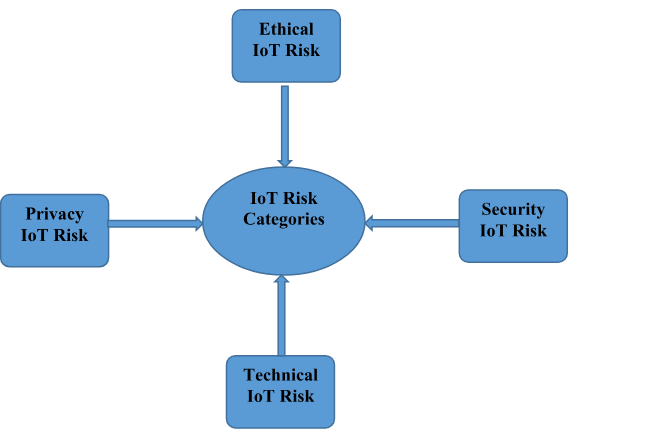
Figure 2:Risks Associated with IoT in the Manufacturing Industry.
Source: (Kandasamy et al., 2020)
5.0 Conclusion
The broad investigation of the applications of the Internet of Things (IoT) in the industrial sector, with a particular focus on the Industrial Internet of Things (IIoT), shows promising chances along with deterring risks. Experience with IoT integrations demonstrated a remarkable impact on production quality with predictive Maintenance and condition monitoring, adding up to 25% to production uptime. Cost reduction is also a benefit of IoT, as maintenance expenses can be decreased by 30% while energy costs can be reduced by 20% with sensible management. Furthermore, with IoT, it is also possible for manufacturers to receive data-driven insights through monitoring of production processes and product usage. These insights help the manufacturers in developing better product quality and innovation.
However, the transformation of manufacturing to an IoT-driven model is full of its hazards and pitfalls. The multi-faceted nature of IoT integration is augmented with the expensive initial costs, and the cybersecurity threats pose a very harsh challenge. Along with privacy issues and the development of technology dependency, IoT still retains complexities for adoption. In order to take full advantage of the benefits the IoT offers while minimizing the risk related to it, managers in the manufacturing industry should work out a strategy that includes the following- robust investment in cybersecurity measures, careful integration planning that would allow for existing legacy systems to work together and continuous process optimization.
Practical data demonstrate that the Internet of Things should be implemented in factories. According to the research, IoT applications increase productivity, ensure improved safety measures, and generate substantial cost savings. By placing IoT adoption and risk management as the two main priorities, manufacturers will successfully cope with the barriers and fully exploit the transformative capabilities of IoT to gain a competitive advantage and sustain growth in the digital era.
References
Agarwal, R., Singh, S., & Shalan, A. E. (2023). Sustainable energy storage devices and device design for sensors and actuators applications. Sustainable Energy Storage in the Scope of Circular Economy: Advanced Materials and Device Design, pp. 225–290.
Bhattacharjee, S. (2023, October 1). The future of industrial IoT in manufacturing: Trends in 2023 | TTI, inc. Www.tti.com. https://www.tti.com/content/ttiinc/en/resources/marketeye/categories/new-technology/me-bhattacharjee-20230110.html
Boggess, M. (2020, October 7). 11 trends will dominate manufacturing in 2021. Hitachi Solutions. https://global.hitachi-solutions.com/blog/top-manufacturing-trends/
Javed, F., Afzal, M. K., Sharif, M., & Kim, B. S. (2018). A comparative review of Internet of Things (IoT) operating systems support, networking technologies, applications, and challenges. IEEE Communications Surveys & Tutorials, 20(3), 2062-2100.
Kalsoom, T., Ahmed, S., Rafi-ul-Shan, P. M., Azmat, M., Akhtar, P., Pervez, Z., Imran, M. A., & Ur-Rehman, M. (2021). Impact of IoT on Manufacturing Industry 4.0: A New Triangular Systematic Review. Sustainability, 13(22), 12506. https://doi.org/10.3390/su132212506
Kandasamy, K., Srinivas, S., Achuthan, K., & Rangan, V. P. (2020). IoT cyber risk: a holistic analysis of risk assessment frameworks, risk vectors, and risk ranking process. EURASIP Journal on Information Security, 2020(1). https://doi.org/10.1186/s13635-020-00111-0
Linnik, I. (2023, November 10). IoT in manufacturing: Use cases, challenges, and benefits. SoftTeco. https://softteco.com/blog/iot-in-manufacturing
Verifiedmarketresearch.com. (2024, February). IoT in the manufacturing market. Verified Market Research. https://www.verifiedmarketresearch.com/product/iot-in-manufacturing-market/
 write
write