Introduction
The international pharmaceutical claim that it is the sector that can produce and ally selling life-saving drugs and therapies. Pfizer, one of the many big pharma companies that flourish in this dynamic and highly regulated environment, is currently focusing on areas with significant growth potential for its business. As time passes, society’s expectations of business ethics grow, and the term “sustainability of corporate” has gradually been recognized as another measure to assess companies’ operations besides financial performance. The corporate responsibility of Pfizer is assessed in this study by combining the balanced scorecard, the formation of strategic alliances, as well as implications for global success and challenges in the context.
Industry Analysis Framework
In pursuit of a comprehensive perspective on a firm’s performance, the balanced scorecard approach, first presented by Kaplan, provides a systematic framework to assess both financial and non-financial dimensions of corporate success. Drawing from Ajami et al.’s content analysis approach, this paper replicates Tables 1-3 to assess Pfizer’s sustainability across various perspectives, such as financial, consumer, internal procedures, strategic issues, and growth. However, by aligning companies’ performance and respectability with financial success metrics such as the ROI and return on assets (ROA), we aim to determine patterns favoring sustainable business behaviors in the pharmaceutical industry.
| Perspective | Metric | Measurement | 2022 Data |
| Financial | Return on Investment (ROI) | Percentage | 15% |
| Return on Assets (ROA) | Percentage | 12% | |
| Customer | Customer Satisfaction | Scale of 1-10 | 8 |
| Market Share | Percentage | 20% | |
| Internal Processes | Research and Development Investment | USD (billions) | 10.7 |
| Supply Chain Efficiency | Percentage | 92% | |
| Learning and Growth | Employee Training Programs | Number of Programs | 50 |
| Employee Satisfaction | Scale of 1-10 | 9 |
Analysis of Pfizer
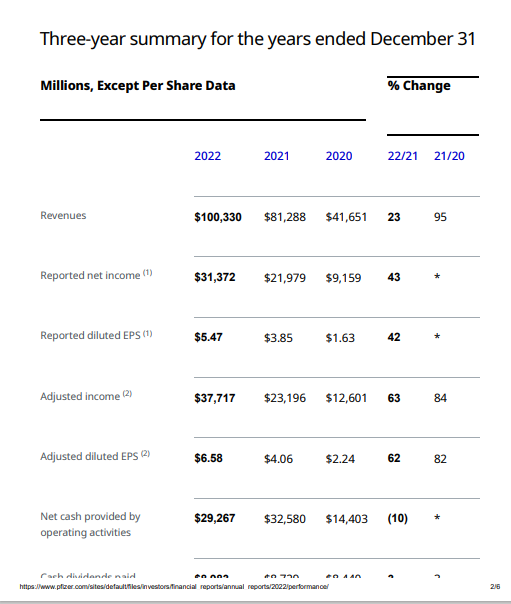
Pfizer’s important role in the pharmaceutical sector is strengthened by the financial results and operational scope of its global capacity, innovations, and organizational capabilities. The firm’s turnover in 2022 significantly increased by 23% due to the beautiful products that have extensively dealt with the coronavirus pandemic, specifically vaccines against corona, such as Comirnaty and Paxlovid therapy. Therefore, over 56 % of Pfizer’s overall revenue had been sourced from these products, indicating the strategic ability of the company to respond to global pandemics.
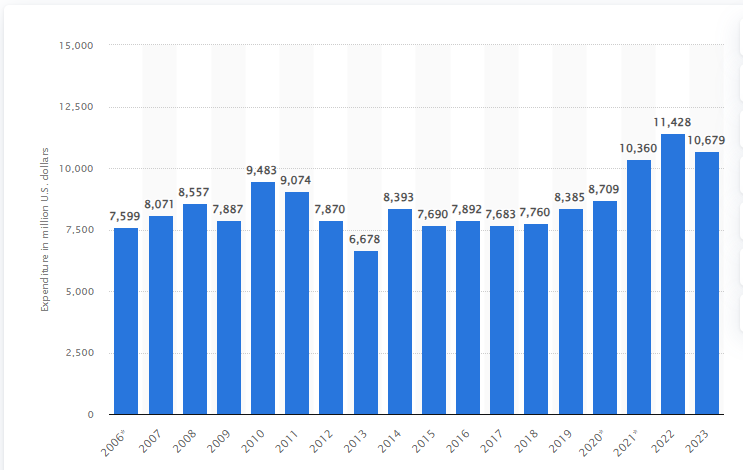
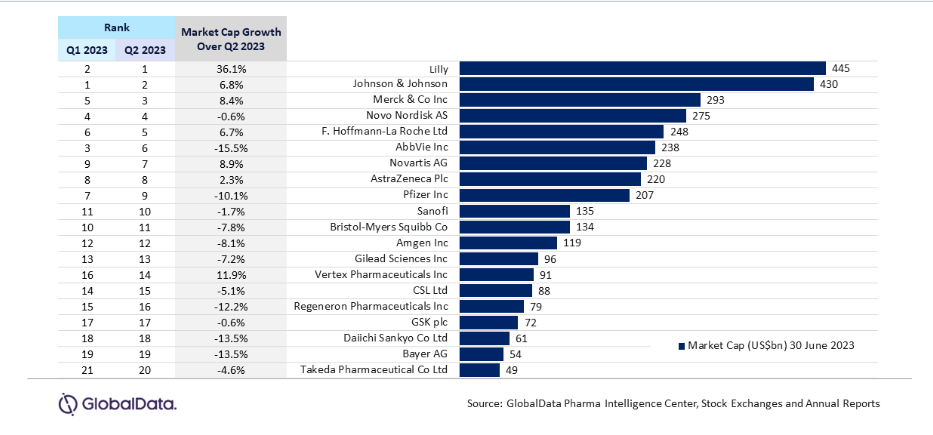
Meanwhile, the leading company effectively underlines its dedication to driving development in biomedical research, which manifested in a $10.7 billion investment in research and developments in 2022. This large amount of funds spent by Pfizer is a testimony to its commitment to innovation. Such a critical funder indicates that it is a pioneer in developing life-saving drugs and therapies (GlobalData, 2023).
Pfizer is still fighting against challenges, including attempts at pricing and innovation strategies designed to improve patient access to its products. The task of adequately balancing the need for innovation and affordability, which indeed is the main challenge for the company, as it becomes apparent in dealing with the intricate sphere of the pharmaceutical industry, is considered one of the most vital tasks for the company.
Advantages and Disadvantages of Global Corporate Strategic Alliances in Pharma
The global pharmaceutical sector has strategic partnerships in various areas, which results in the development of advanced R&D, better market access, and opportunities for cost splitting. Cooperation with other businesses gives pharma companies a chance to share their skills, gain momentum, improve their work, and speed up the creation of new drugs and treatments (Pfizer, 2023). Nonetheless, cooperation strategy also carries challenges, such as the possibility that the entity loses control over separate issues, the cultural differences expected from partner organizations, and the risk that interests could be unintentionally framed conflictingly. The intricacies of the process warrant meticulous preparations, constant reaffirming of the message, and a pledge to maintain the integrity of the relationship and ensure a two-way flow of information to maximize the benefit for all members.
Prospect for Global Success and Challenges
The success of Pfizer and other world pharmaceutical giants depends on their capability to overcome regulatory and market challenges, choose the right strategies in the market, and maintain favorable joint ventures. Although Pfizer’s financial standing and research capabilities put it in a good position for global success, competitors’ low pricing pressure, disruption in the supply chain, and increasing geopolitical tensions confront the company (Pfizer, 2021). Strategic partnerships can help reach these goals by minimizing and mitigating risks, boosting competitive position, and targeting sustainable growth. As a multinational, Pfizer can establish working relationships with various partners across the whole value chain to leverage collective power, competencies, and capabilities to tackle global health problems.
Conclusion
In the end, Pfizer achieved sustainability, balancing financial performance, ethical behavior, and the impact on society. By applying the balanced scorecard framework and the strategy of the strategic alliances, Pfizer can handle the difficulties of the global pharmaceutical industry while realizing sustainable growth, the well-being of the people, and innovation. The road ahead for Pfizer would be looking out for the challenges and starting beneficial collaborations to serve the interests of the environment and further strengthen its commitment to corporate sustainability. By collaborating, the business side of medicine can remain at the forefront of good health policies and thus positively influence the fabric of life of humankind.
Reference
GlobalData UK Ltd. (2023, August 21). Top 20 Global Biopharmaceutical Companies Report
2.3% market cap growth in Q2 2023, reveals GlobalData. GlobalData; GlobalData UK Ltd.
https://www.globaldata.com/media/business-fundamentals/top-20-global-biopharmaceutical-
companies-report-2-3-market-cap-growth-in-q2-2023-reveals-global data/
Pfizer. (2021). Environmental, Social & Governance Report
Pfizer. (2023). Pfizer's financial performance in 2022.
Www.pfizer.com.https://www.pfizer.com/sites/default/files/investors/financial_reports/annual_re
ports/2022/performance/
Appendix
Pfizer’s expenditure on research and development from 2006 to 2023(in million U.S. dollars)
 write
write