Executive Summary
We will host an evening event titled the final Auction of Spring Sales on August 20th 2024, which will take place at the Fine Arts Museum of Boston. On this occasion, we will strive to showcase a wide range of exquisite Chinese crafts, such as paintings, calligraphy scrolls, vases, antiques, and sculptures. The proceeds from this bidding event will, in total, be devoted to the pediatric hospitals of the Boston area.
The primary objective of the auction is to help the society and uplift the Chinese culture. We aim to achieve these two objectives by carefully thinking about how we plan and organize the event. It involves much research, cooperation with other institutions and coordinated teamwork. Another very remarkable part of the auction is raising community excitement, which is possible. We intend to involve the community and ensure that not only those with profound knowledge of Chinese art but also all others feel comfortable in our centre. It is our collective mission to involve and educate everyone while they have the most fun.
We also want to take into account that the auction embodies the Chinese culture and the spirit of traditional values. Through the incorporation of cultural aspects of the event, we desire to train people on Chinese art masterpieces of the past and make them appreciate them. In essence, the Spring College Final Auction Sales project is a fundraiser for the children’s hospitals and a promotion of the traditional Chinese style of arts. Through our efforts, we will contribute to the development of the arts community in Boston as well as provide help to children in need.
Introduction
Boston has a rich cultural background that is deeply entangled with the different arts. As one of the oldest cities in the USA, it has been the hinge that has long supported the artists, collectors and patrons who have shaped the lively artistic atmosphere of the region. One of the unique sides of Boston’s creative legacy is the link of its art and artifacts with those of China. As early as the 18th century, wealthy merchants from Boston who engaged in the import business would bring the most delicate porcelain and silk textiles from China (Zboray & Zboray, 2004). These priced merchant pieces not only grew an enlightened appreciation for the Chinese cunning crafts but also triggered an interest in the nation’s time-honoured art masters.
This love for Chinese art and art from across the globe finally found a permanent establishment in the building of the Museum of Fine Arts, Boston, in 1870. Figure 1 shows a section of the museum. The founders of the museum realized that the need to preserve and showcase these unique and valuable cultural artifacts was crucial, so the museum acquired an inspiring collection of Chinese ceramics, jades, bronzes, and calligraphic scrolls (Nast, n.d.). In addition, with philanthropists like William Sturgis Bigelow and Denman Waldo Ross, who were avid collectors, the Boston Museum of Art received remarkable gifts with their generously donated art collections. The work of these masters was the key that made Boston an esteemed hub for collectors and lovers of Chinese art.
Along this path of tradition, the Spring Final Auction Sales will become a modern exhibition in recognition of Boston’s cultural appreciation for traditional Chinese art. The exhibition will display various artistic items from this illustrious cultural lineage with the aim of reviving the city’s appreciation for the creative works of the people of China while at the same time giving back to the community through charitable activities.
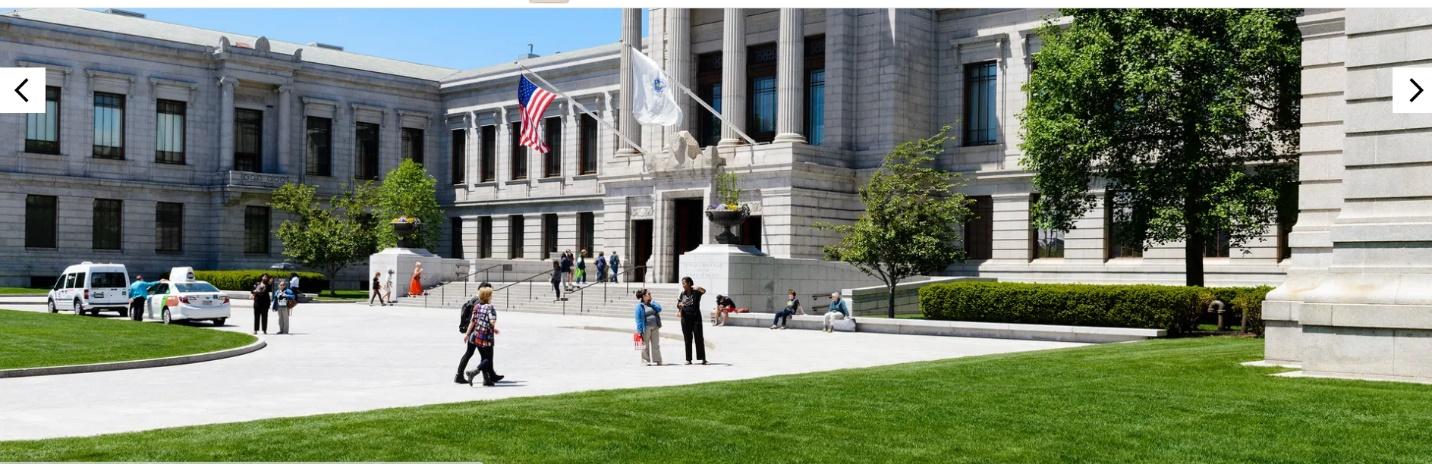
Figure 1: Museum of Fine Arts, Boston (Nast, n.d)
However, the appreciation for traditional Chinese art is open to more than just the interior features of this revered museum. Over the last few years, the city of Boston has seen a growing interest in these old art forms, which is a result of a conglomeration of the factors (Nast, n.d.). One factor driving internationalization is the diversity and cosmopolitanism of its population, coupled with their feelings of intellectual Curiosity brought about by the city’s academic environment. Additionally, the increase in economic and cultural exchange between the United States and China is another contributing factor that is leading to the appreciation of the wealth of artistic heritage of the ancient civilization (Brown, 2020). Chinese-culture-related opportunities are becoming increasingly popular as the city of Boston continues to be home to an influx of Chinese overseas students and international corporations.
This intense fascination has manifested itself in different ways, from exhibitions and symposia to educational programs and cultural events. Nevertheless, the current trend presents untapped opportunities to design more sophisticated experiences in which the inclination towards beauty and artisanship is revealed, as well as more cross-cultural exchange and understanding.
Art and Charity
The combination of art and charity is one of the most extensively explored topics in history. Past wealthy families, such as the Medici family, paid artists to create stupefying artworks in the era of the Renaissance (Lesso, 2023). Under the powerful artistic environment that they made, some of the greatest artists of the time, including Michelangelo, Leonardo da Vinci and Botticelli, were able to create masterpieces that have survived for centuries. The Medici patronized artworks for churches, public places, and their private domiciles. This led to the eruption of creative artistic expression and innovation in the painting, sculpture, and architecture fields (Lesso, 2023). Apart from the commissions themselves, the Medici family’s support for arts and culture went further to setting up schools, academies, and institutions that fostered creative growth and intellectual development. Their commitment not only contributed to the rich cultural tradition of Renaissance Italy but also to the diffusion of arts in Europe through teaching and workshops.
Years afterwards, in the late 19th and early 20th centuries, Andrew Carnegie, a self-made industrialist and philanthropist, left a deep imprint on society through his enlightened endeavours aimed at promoting education and making knowledge freely accessible to all (Carnegie Corporation of New York, 2016). After securing a considerable fortune out of his steel business, Carnegie dedicated most of his later life to charitable works, mainly creating public libraries and libraries for everyone. During this period, from 1883 to 1919, the Carnegie Corporation built more than 2,500 public libraries across the United States and several other countries (Carnegie Corporation of New York, 2016). These libraries were not only created as mere depositories of books but as learning hubs and centres of the community, giving free access to knowledge and education resources to people from all walks of life.
Carnegie shared the view that education is the key to the transformation of the world, and he concentrated his efforts on making sure that a wealth of information was available to everyone. Through the implementation of this initiative, he aimed to provide people with tools that could improve them, boost their literacy levels, and consequently create a knowledgeable community.
The success of the Project
Succeeding in this pursuit boils down to a few crucial factors. First, the historical and cultural heritage is to be understood and respected by the audience, and it is also essential that the audience knows the context of the artwork. The partnership with experts, researchers and cultural elements from both the locality and beyond may guarantee accuracy and authenticity when depicting and interpreting these works (Hiroko Uno, 2008). Also, innovative public engagement and outreach strategies, which can captivate different target audiences and promote a sense of togetherness, are worth considering. By presenting this art open to everyone in an interactive way, it is possible to expand the boundaries and echo it in the hearts of people unrelated to their cultural or artistic backgrounds.
Subsequently, it is essential to maintain strategic partnerships with corporate sponsors, philanthropic organizations, and community groups, as this can help secure resources and expand these efforts. These types of partnerships are not only meant for financial sustainability, but they also ensure the relevance of the initiative and that the objectives are in line with the trending cultural ambitions of the city. As Boston constantly moves forward and assumes its place as a worldwide cultural centre, showcasing and building upon classic Chinese art becomes a stimulating and timely issue.
Justification for the Auction
We have the Spring Final Auction of Sales event for good reasons. This event will be a dual experience: first, to appreciate the gorgeous ancient Chinese art and second, to help people by raising funds for children’s hospitals in Boston. Evidence has consistently shown that art fused with philanthropy has always yielded inspiring results that have made society a better place. Little is known about the topic of thriving art during the Renaissance except that noble families such as the Medici contributed to the development of astonishing art. Andrew Carnegie spent his wealth on the construction of public libraries so that people could benefit from socialization and, of course, learn things. Art and culture projects provide evidence that the support of art and culture can, in turn, also help society.
Even in the 21st century, we see how the art scene is often utilized to gather funds for a good purpose. Art Basel is one famous fair that hosts fundraising events for charities engaged in environment and education at the fair (Alessia Zorloni, 2013). There is a long culture in Boston that uses creative art processes for philanthropy and fundraising. Isabella Stewart Gardner initiated her own Art Museum just because she was incredibly fascinated with beauty; she also did that to inspire other people to contribute (Boles et al., 2023).
The Spring Final Auction Sales that we are aiming for should build on this long-lasting tradition. Through the sale of rare Chinese paintings and artifacts via the auction, we demonstrate the artistic excellence of ancient Chinese civilization. On the other hand, the money collected is meant to fulfil an imperative goal, which is to find treatments for sick kids at local hospitals. In this event, art enthusiasts get the occasion to have one-of-a-kind pieces and see a positive change within society. It unites the public with a shared passion for culture and a conscious will to take care of our fellows.
Examination of Current Activity
The arts and culture of Boston are a manifestation of the city’s long, rich history and vibrant, creative souls. You name it – whether it is elaborate theatres, historical sites, vibrant artworks, or famous artists and playwrights – the city is perfect for art and culture lovers. However, with all the present advantages, the art culture of Boston still struggles with the apparent problems. Chief among these is the issue of infrastructure. Though there is flourishing culture in the city, a shortage of outlets for planning more significant occasions, such as art auctions, in terms of spaces and operational capabilities persists (Nast, n.d. In the system, the issue of equity and inclusion is cognizant. Cultural resources and activities are primarily reserved for the privileged, which exacerbates the issue further, suggesting that specific steps must be taken to address the inequity.
Leadership and resources are also significant hurdles. Succession planning, fundraising, and resource allocation pose significant challenges that may restrict the longevity and sustainability of cultural programs and events. Overcoming the preceding drawbacks needs to involve creative ideas and partnerships both from the public and private spheres (Nast, n.d.). Despite such challenges, we need to take advantage of numerous opportunities to improve the vibrancy and inclusivity of traditional Chinese art auctions in Boston.For instance, community participation and exchange can lead to cross-cultural understanding and bond the community together with people from different cultures. Establishing connections among government agencies, private institutions, community groups, and cultural interests can further the possibilities of partnership formation and resource allocation, promoting the invention and resilience of the arts organization system (Alessia Zorloni, 2013).Furthermore, Boston also has the potential to go through a cultural rebirth, which will be motivated by the increased focus on people and communities rather than buildings or monuments. With the collaboration among people, integration of inclusivity, and a reconsideration of the place of art and culture in the city, Boston will achieve the goal of an artistic and cultural recovery and also will be a place with an enriching environment for its citizens and tourists.
Factors for Success
In order for the spring final auction sales to have a significant impact, some major factors have to be analyzed and taken into consideration first.
Establishing Clear Needs and Effective Market Demand
Initially, our main task was to check whether there was an obvious necessity or desire for a cultural event in Boston. Boston is celebrating an exciting art scene; however, there is a space to give traditional Chinese art forms more room and promote their understanding. Even though world-class museums are home to priceless artifacts, the Museum of Fine Arts, there is a clear difference in methods that allow audiences to move beyond the mere visual experience and to embrace the cultural stories behind these ancient creations (Alessia Zorloni, 2013). The organized charity event will be all about selling exact replicas of China’s art legacy as a way of increasing public awareness and developing connections among different cultures. In a time of globalization and diversity, such projects are even more necessary to forge harmonious interaction and inclusiveness among populations.
Addressing Social Needs
In addition, the charity aspect of divvying up the earnings to the children’s hospitals immediately deals with the critical social problem in the city of Boston. People still face the challenge of getting quality health care; therefore, the local programs that empower the local medical institutions have rippling effects on the youth in the area. On a broader scale, events that amicably mix cultural pride with social responsibility demonstrate a strong statement on how art is an agent of change.
Leveraging Boston’s Cultural Fabric
By capitalizing on Boston’s pre-existing cultural fabric and accentuating its strong points, we can ensure this auction’s success. A tradition of patronage throughout the city’s history, from the Medici family’s influence to Isabella Stewart Gardner’s visionary museum, further validates the contribution of the arts to the social fabric of Boston (Boles et al., 2023). Moreover, the diverse population in Boston, which is made up of separate communities coming from different ethnic and cultural backgrounds, is a particular group of people that shows that this community can be engaged. The event’s emphasis on creativity as an ordinary human culture and dialogue across cultures will most likely lead to a sense of inclusion and a feeling of belonging among all participants (Brown, 2020). In addition, this generates a high level of involvement and volunteering and helps bring the masses on board, which amplifies the impact of the auction as well as its reach.
Collaboration and Partnership
On the other hand, collaboration is also of high importance. Working together with universities, cultural centres, and sponsor organizations means free access to their expertise, resources, and avenues for outreach. These collaborations not only give the event the needed credibility but also ensure that the stories and portrayals of the artworks are honest and respectful of the traditions (Ashenfelter & Graddy, 2006). The involvement of local artists, scholars, and cultural representatives can deepen the experience even more, giving visitors the possibility to uncover the event’s historical and symbolic dimensions. Additionally, we can use the offerings of corporations, government officials, and community leaders as assets, allowing us to get their involvement, influence, and networks, which would increase the exposure of the event to a more significant number of people.
CONCLUSION
In conclusion, the Spring Final Auction Sales offers a rare chance to honour the influential cultural aspect of classic Chinese paintings and utilize the persuasive influence of art for a good cause. Through the ingenious integration of these two fundamental objectives, this event is bound to leave an irreversible impact on the cultural topography of greater Boston and beyond that will transcend time. With the city holding a unique art feature, the gap in the promotion of the love of traditional Chinese art still cannot be ignored (Zboray & Zboray, 2004). Through the creation of a collection of artworks with particular contexts and by taking the participants on a tour of the cultural stories of different peoples, the auction occupies a niche and creates bridges of cross-cultural relations in the times of globalization. In addition to this, funding children’s hospitals addresses a vital social imperative of the community. Quality health services remain a barrier in many families, and initiatives that aim to strengthen local medical institutions have the power to have far-reaching positive impacts on a few region’s youngsters.
Nevertheless, there are several critical determinants of whether this endeavour is going to be a success or failure. Boston has a long history of arts patronage and diversity (Hiroko Uno, 2008). We will utilize those traditions and build community programs by incorporating different attitudes, behaviours and mentalities. Cultivating an inclusive atmosphere with individuals sharing a common purpose will attract more participants, volunteers, and financial support, adding to the auction’s range and impact (Brown, 2020). Moreover, achieving the right proportion between the artworks’ cultural value and their inherent beauty and craftsmanship will be among the primary prerequisites. This duality has the power to attract both art lovers and those who want to gain more knowledge about the culture, increasing the event’s audience.
This spring sales final auction can be an anchor that shows how arts can act as a strong force in bringing the community together, understanding, and creating a positive change in the area. By addressing these factors wisely, this event will definitely leave a crucial imprint on the city of Boston’s cultural landscape and celebrate their diversity, benevolence and willingness to create a better, inclusive and compassionate society. Although there is a paucity of data on the long-term effect of such projects, several accounts of such efforts confirm the immense potential that art has had in shaping communities and inspiring other social transformation attempts (Brown, 2020). These findings demonstrate the nature of a cultural occasion to gather information for researchers and scholars to contribute to developing the knowledge of the role of cultural events in fostering the recognition of different cultures and charity.
References
Nast, C. (n.d.). Museum of Fine Arts – Museum Review. Condé Nast Traveler. https://www.cntraveler.com/activities/boston/museum-of-fine-arts-boston
Hiroko Uno. (2008). Emily Dickinson‘s Encounter with the East: Chinese Museum in Boston. The Emily Dickinson Journal, 17(1), 43–67. https://doi.org/10.1353/edj.0.0007
Alessia Zorloni. (2013). The Economics of Contemporary Art Markets, Strategies and Stardom. Berlin, Heidelberg Springer.
Ashenfelter, O., & Graddy, K. (2006). Chapter 26 Art Auctions. Handbook of the Economics of Art and Culture, 909–945. https://doi.org/10.1016/s1574-0676(06)01026-x
Brown, M. T. (2020). Examining cultural equity: Boston’s arts & culture sector (Doctoral dissertation, University of Massachusetts Boston).
Zboray, R. J., & Zboray, M. S. (2004). Between “Crockery-Dom” and Barnum: Boston’s Chinese Museum, 1845-47. American Quarterly, 56(2), 271–307. https://www.jstor.org/stable/40068196
Carnegie Corporation of New York. (2016, May 5). Andrew Carnegie: A Legacy of Support for Public Libraries. Carnegie Corporation of New York. https://www.carnegie.org/news/articles/andrew-carnegie-legacy-support-public-libraries/
Lesso, R. (2023, August 11). How Did the Medici Family Support the Arts? TheCollector. https://www.thecollector.com/how-did-medici-family-support-the-arts/
Boles, S., Dearing, T., & Ochavillo, V. (2023, September 26). What to know about Isabella Stewart Gardner, the woman behind one of Boston’s most celebrated museums. Www.wbur.org. https://www.wbur.org/radioboston/2023/09/26/isabella-stewart-gardner-museum-legacy-boston-philanthropist-art-collector
 write
write