Executive Summary
This paper explores the application of operation management principles into social care, specifically focusing on quality management within healthcare. Operations management (OM), though often considered one of the cores of industries, can also be applied to social care. The concern of operations management in social care revolves around designing schemes, distribution, and regulating to achieve successful service delivery to those who require assistance in society. This report aims to show how key management operations issues, such as designing the process, capacity planning, quality management, supply chain management, and performance evaluation, and the role of the Lean Six Sigma approach, apply in the social care industry by analysing healthcare institutions. It will scrutinise social care operation management principles that comprise both the challenges and the opportunities. This report details how the OM principles are applied to improve service delivery, allocation and resource optimisation and, most importantly, customer satisfaction. It also addresses the current issues within the social care industry’s operation management. It concludes by explaining the benefits of quality operation management within the healthcare sector and outlining recommendations for various challenges within the industry.
1.0 Introduction
The social care industry is a crucial service sector since it supports people with various needs, including old age, disabilities, illness, or other personal circumstances. Social services operations management (OM) practices are essential in service delivery, quality, and costs for social care organisations (Russell and Taylor, 2019). By applying OM tools, including optimising processes, resource allocation, and quality assurance, social service providers can better deal with the complexities of limited funding and workforce shortages towards meeting service users’ varied needs.
Operations management is the systematic approach of designing, executing and improving the processes established to achieve the organisation’s targets effectively. It uses scientific analysis approaches to help in making optimal organisational decisions (Choi, Wallace and Wang, 2018). Regarding social care in this context, it means enhancing responsiveness and effectiveness in staff rotation, fund allocation, and service quality to ensure the entire care delivery process is smooth and efficient. Parker (2020) states that improving social care could be done by prioritising evaluation and enhancement of the activities process, such as assessments and treatment delivery (Parker, 2020). There was inconsistency among the operational managers in the past due to the need for immediate profit (Magon et al., 2018), bearing the bulkiness of full implementation of the required operation management environmental practices.
Resource allocation is an essential operation management act in social care that cannot be ignored (Wilding, 2024). Social care organisations need more resources, such as funds, staff, and equipment. Consequently, according to Beloglazov et al. (2012), there is a need to distribute resources effectively to satisfy the needs of service users (Beloglazov, Abawajy and Buyya, 2012). The approach might be channelled at prioritising the services according to their demand (Choi, Wallace and Wang, 2018), matching the staff’s skill level with the client’s requirements, and investing in technology to enhance the service delivery.
Quality control is of great importance in social care, and it is aimed at the fact that services should match needed standards and give positive outcomes to the service users (Matthias and Brown, 2016). Social care organisations can bring about better service quality and higher client satisfaction through quality assurance programs like regular reviews, feedback channels and continuous improvement schemes (Choi, Wallace and Wang, 2018).
Kellner, Townsend, and Wilkinson (2017) shed light on the operational management principles that can guide ensuring a sustainable social care provision in the face of financial limitations. Through process optimisation, scarce resource allocation, and adherence to quality service standards, social care agencies can gain the capacity to serve more people in need (Kellner, Townsend and Wilkinson, 2017). According to Vargo, Maglio, and Akaka (2008), it can be viewed as an essential aspect of adequate social care. The study indicates that through utilising efficient management practices, social care providers can blossom their existing resources and accordingly handle the multidimensional needs of their clients (Vargo, Maglio and Akaka, 2008). By applying unique OM techniques that fit their workflow, organisations can solve problems promptly, and they will be able to consistently provide good quality services, which will be relied on by those they serve. Consequently, introducing operational management principles into the operating model of non-profit social care isn’t just an abstract concept—it’s an urgent and tangible real-world solution. As a strong advocate of social well-being, I think that using operational management techniques can not only escape the situation of resource deficit but also create a basis to prosper in the social responsibilities of non-profit social care providers.
Bromiley and Rau (2016) comprehensively analysed the resource-based view (RBV) in operation management. Along with its advantages, they also look at challenges that emerge once this view is implemented. According to RBV, strategic resource utilisation goes down to identifying resources that are valuable, rare, and challenging to copy, which enables firms to enjoy a long-term competitive advantage. If an enterprise implements high-performance work practices, this may also be used to boost operational performance. Nevertheless, the problems are found in the subjectivity of the approach, in resistance to change, and in the fact that cost-benefit analysis can be far away from the practical parts of operations management. A unified vision considering the crucial RBV is needed to solve this dilemma. Through skilled internal resource exploitation skillfully and experience-based best practices, operations managers can improve decision-making, increase performance, and make efficient improvements this way (Bromiley, Bromiley and Rau, 2016). The critical evaluation of the social care sector highlights the significance of an all-inclusive strategy combining internal factors with external awareness to boost operational capability in a dynamic commercial setting.
Social care operation management involves the exemplary leadership, skills and education required in daily routine effective management or what is referred to as effective organisation management by Thomas (2003). Sustainable implementation is crucial since introducing business principles, quality management, and performance management issues into the care environment or health care (Hafford-Letchfield, 2010).
2.0 Contribution of Operation Management to Strategic Goals
In today’s business environment, strategically aligning operation management is vital to achieving organisational social care goals. Within social care, resource allocation challenges hinder the satisfaction of the customers and the ability to meet their needs, especially the non-profitable social care providers. These organisations can improve efficiency towards the goal by applying strategic operation management principles such as quality and lean management. Operation management optimisation is important to profit-oriented organisations and crucial to non-profitable institutions to address challenges facing communities (Johnston and Staughton, 2009).
3.0 Roles of Quality Management in the Operations Management
The function of operational management is that hospitals and other medical institutions maintain patient safety and provide the required medical services with the utmost effectiveness. Mitra (2016) examines this fact in depth by identifying good operational management practices, such as those responsible for the success of healthcare systems (Mitra, 2016).
3.1 Quality Management with Salford Royal Hospital NHS
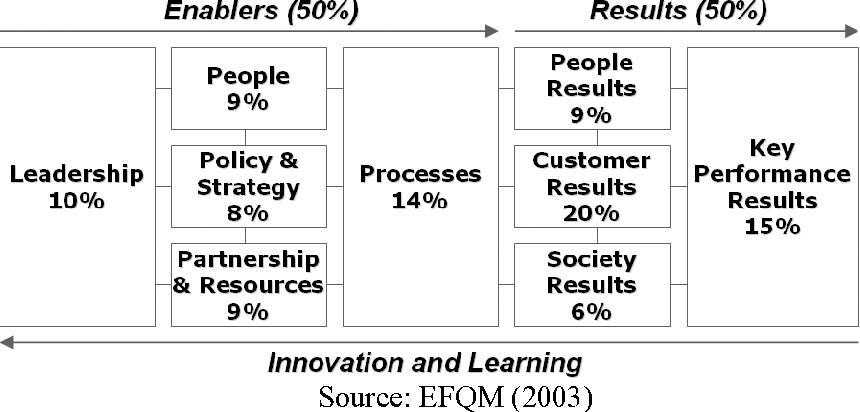
Through the study of quality management in Salford Royal Hospitals NHS Trust’s treatment model, we can spot some of the advantages of the medical operational management approach to healthcare delivery. The institution has implemented the European Foundation for Quality Management Model (EFQM) (see Appendix 2), which is proactively involved in enhancing efficiency and maintaining the quality of services. Furthermore, the model, which focuses mainly on mentorship and training, is more effective when it comes to the support of newly hired and irregular nurses since it provides new clinical skills and allows specialists to work and train in this medical field. The introduction of EFQM has contributed to the development of training programs to ensure the competence of healthcare workers and, ultimately, the sustainability of high-quality care delivery (Leigh et al., 2005).
In contrast to the ever-growing complexity of the present healthcare market environment that requires individualised and changeable patient needs to be addressed, efficient operational management is the building block of today’s solutions and tomorrow’s challenges. Such moves as smoothing the process, determining the most appropriate use of resources, and creating and cultivating a culture of continuous improvement contribute to better and more effective meeting of patient needs while maintaining high standards of care. Operating a management approach in healthcare not only improves delivery efficiency but also gives rise to a managerial culture that includes adhering to accountability and innovation in healthcare organisations (Ferlie and Shortell, 2001). Management that ensures such professionals have adequate tools and support naturally creates an enabling environment where the practitioners can lead change and contribute their best to positive health outcomes.
3.10 Importance of Quality Operation Management in Healthcare
3.11 Patient Safety and Satisfaction:
High-quality operations management in healthcare is integral to patient safety and satisfaction. Patient safety is one of the critical components of quality operations management in healthcare, and it is concerned with providing safety-responsive treatment to patients. Based on simplicity, the Lean Six Sigma methodology can optimise hospital processes and make them safer (Daniel, Terra and Tobal, 2018). Similarly, the University of Michigan Health System used Lean Six Sigma to minimise medication errors and enhance patient safety (Daniel, Terra and Tobal, 2018). By adopting and implementing the Lean Six Sigma tools, the healthcare system manages and eliminates patient safety risks, directly improving its quality of care. The World Health Organization (WHO) highlights that patient safety requires health workers to take safeguarding measures to prevent infection (Haque et al., 2020). Implementing safety hygiene and protocols within healthcare facilities significantly reduces infections and patient complications.
3.12 Efficiency and Resource Utilisation:
Quality operations management is responsible for making efficient use of resources while, at the same time, delivering good efficiency in the healthcare sector. By optimising procedures and minimising waste, organisations can improve productivity and lower costs while ensuring the standard of care is not compromised. A report about China’s primary healthcare resources misallocation affects their utilisation efficiency (Wang and Jia, 2021). Based on lean management principles, an organisation aims to promote effectiveness and deliver medical services to populations where resources are limited (D’Andreamatteo et al., 2015). By applying lean management principles, healthcare organisations can eliminate unnecessary steps in processes, decrease patient waiting time, and efficiently utilise resources, resulting in better performance and lower costs.
3.13 Continuous Improvement
Social care significantly depends on the principle of continuous improvement. Collecting and analysing data on the most effective indicators can show problems, and then, based on the evidence, interventions can be designed to improve the quality of care. The focus is to reduce errors and improve production efficiency in production industries, while in healthcare, customer satisfaction is the objective through minimal mistakes. Continuous checks are crucial since human health is essential, and identifying loopholes in service delivery and implementing targeted interventions enhances overall health outcomes. Continuous quality audits and performance regularly, healthcare institutions find the trends and effectiveness of interventions to reduce operation expenses and efficiency improvement (Kovach, De la Torre and Walker, 2008).
For social care to achieve success, quality management should be fully implemented to prevent human lives gambling and compromised health services. Social care, therefore, requires a well-structured framework and systems to be followed to ensure successful service delivery, meeting expectations and customers’ needs (TAMER and Çetinkaya, 2018). Figure 1 below and appendix 1 outlines the summary of the quality system, which is essential in promoting good service delivery and resource utilisation.
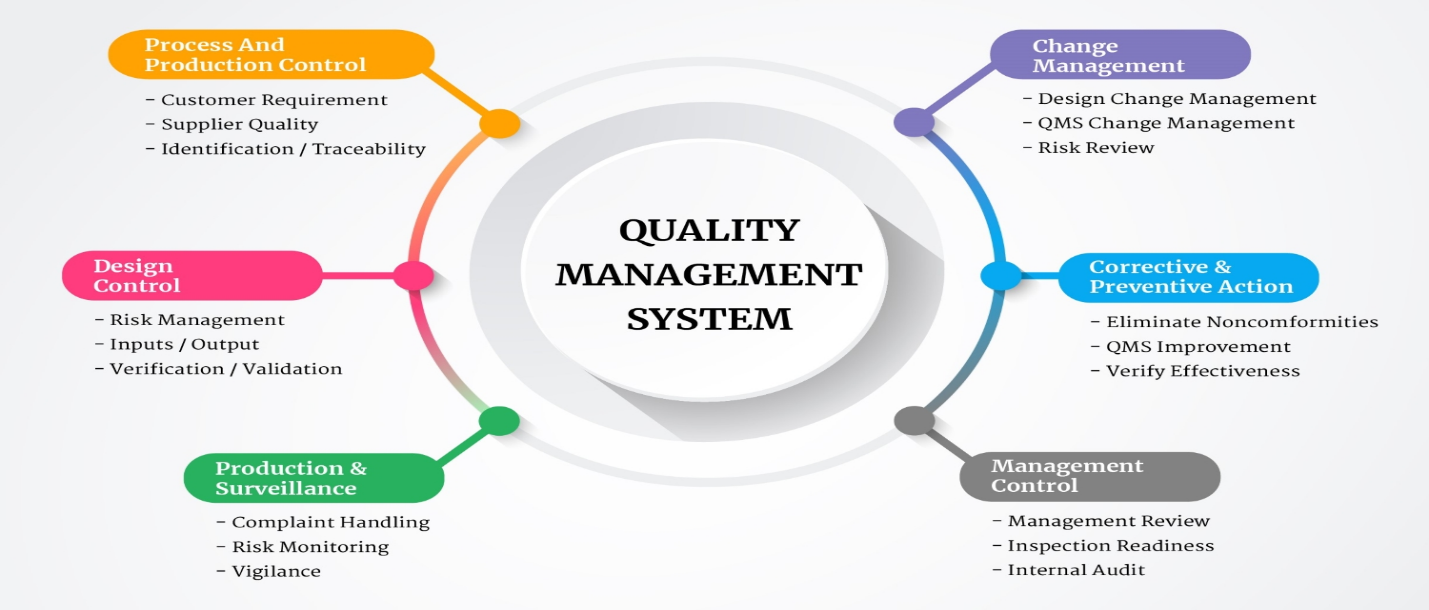
Figure 1:Quality Management System (QMS) Structure
The quality management system determines the efficiency of any operation management globally. QMS may lead to poor performance of enterprises, including social care if not formally implemented, lack of integration into the quality management processes, poor QMS management understanding and non-systematic applications. It plays a significant role in the social care sector by evaluating the administrative processes and promoting operation effectiveness (Schmeleva, 2017).
4.0 The Roles of Lean Management within Social Care Operations
Lean management has been viewed has the main drive of changes in any sector of operation. One of the essential parts of lean operations is quality management; its primary purpose is to ensure that healthcare facilities that provide services deliver high quality (Daniel, Terra and Tobal, 2018). A practical application of the Lean principles to quality management in hospitals enables one to find the areas where there is room for improvement, introduce measures that would enhance service quality, and monitor and assess performance (Stevenson et al., 2007).
4.10 Lean Management within Virginia Mason Medical Centre
For example, social care institutions may apply lean methods to increase the accuracy of healthcare, establish safe patient protocols, and improve the sanitation process. Quality management in lean operations becomes paramount for building patient trust, delivering desired health outcomes, and gradually improving the already established healthcare services. Virginia Mason Medical Centre in the United adopted the lean management principle (Ham, Berwick and Dixon, 2016). Virginia Mason reviewed the lean techniques and used them to redesign its surgical processes.
4.11 Lessons Learnt and Degree of Success achieved
By the operationalising lean management, patients reap maximum benefits, minimise costs, and enhanced employee satisfaction. As a result of this effort, in the case of Virginia Mason Medical centre, the number of instruments used for surgery was reduced considerably. This example shows efforts to reduce waste and maintain quality basics within healthcare systems. (Ham, Berwick and Dixon, 2016).
On the case of Salford Royal NHS Foundation Trust, Daniel, Terra and Tobal (2018) report the application of lean sigma six methodologies was utilised to simplify the patient care process, leading to decreased delays, increased patient satisfaction, and improved clinical outcomes (Daniel, Terra and Tobal, 2018). In the USA, according to LaGanga’s report, the application of lean management operation improved the outpatient department. He notes that the initiative that was implemented to increase new patient admissions was successful, and there was a 27% increase, while the no-attendance rate was reduced by 12% (LaGanga, 2011).
In Hong Kong, Chan (2012) reviewed how the lean management operation perfected outpatient services and consultation time. The outcome reviewed reduced congestion in the patient waiting area, decreased patient complaints, increased patient flow, improved internal air circulation quality and decreased staff workload. There was a decreased cycle time of outpatient department services by lean Six Sigma methodology within rural Indian facilities from 4.27 minutes to 1.5 minutes. The 97% decrease in waiting time in the system and 91% queue length reduction were also noted (LaGanga, 2011).
Denver Health Medical Centre implemented lean management principles into the system. Consequently, in 2006, 2.8 million dollars were saved while maintaining the same number of staff members. A lump sum of $10 million was also saved by the ThedaCare hospital in 2005. Lean management has seen improvement in operations in other institutions, such as Prairie Lakes Healthcare and the University of Pittsburg Medical Centre, to increase patient flow, including the emergency intake process (LaGanga, 2011).
5.0 Current Issues Affecting Sustainability Operations Management of Social Care
Sustainable operations management is of immense relevance as this equips social care facilities to offer quality services while causing the least environmental harm, saving costs, and improving efficiency. A sustainable operations management system encounters several challenges and problems that must be resolved before delivering service very well (Brown, Bessant and Jia, 2018). Several current issues in sustainable operations management within the social care industry include:
5.1 Resource Efficiency:
Healthcare facilities and other types of establishments consume a significant amount of energy, water, and resources. Achieving optimal resource utilisation through projects such as energy-saving lights, water conservation methods, and waste reduction activities is a significant component (Williams and Radnor, 2022).
5.2 Waste Management:
First and foremost, healthcare facilities are extreme waste producers, and medical hazardous waste is just one of them. Correct throwing-away, generation of recycling programs, and funding for eco-friendly waste management activities play a significant role in emission reduction (Williams and Radnor, 2022).
5.3 Supply Chain Sustainability:
The complex and single-use plastics problems affect the global social care supply chain. The adoption of environmentally friendly purchasing methods is an important constituent. This can be done by sourcing products from emitters and reducing packaging waste (Williams and Radnor, 2022). The COVID-19 pandemic disrupted healthcare significantly, creating a need for more equipment and medical supplies to combat the virus and other unprecedented occurrences. Therefore, the challenge of needing more raw materials and constant inventory levels arose (Kumar et al., 2020).
5.4 Carbon Footprint:
Healthcare operations are a significant source of carbon dioxide created by energy needs, transportation, and waste generation. Using carbon reduction plans like shifting from renewable energy sources and dispensing telemedicine to cut travel distances will be vital in minimising the industry’s carbon footprint (Williams and Radnor, 2022). Studies indicate hospitals are significant sources of carbon emissions, especially in their continuous operation, energy-intensive activities, and routine treatment processes. Notable examples are sophisticated thermal and cooling systems, computer usage, physiology, laboratory equipment, sterilisation, and food preparation, among other methods. The medical profession is among the areas that need to implement regulations to treat climate change (Sapuan, Ilyas and Asyraf, 2022).
5.5 Technology Integration:
Social care sector facilities and resources are strained, especially after the pandemic, and digital technologies are required to promote patient welfare. Big data within healthcare is possible, and this report is timely. Tech-based solutions such as data-driven technologies and intelligent factory technologies records, which improve data analytics, can bring much-needed gains and improve patient outcomes (Kumar et al., 2020).
5.6 Resilience and Preparedness:
The COVID-19 pandemic emphasised the issue of resilience and preparedness while performing health activities. Improving the social care infrastructure best equipped to respond to the crisis while observing sustainability is one of the most challenging tasks (Williams and Radnor, 2022).
5.7 Workforce Well-being:
The position of healthcare workers is critical in clinical operations, and their state of health is of great interest to organisations’ sustainability. Implementing initiatives for employees to focus on health, safety, and work-life balance will be a sure way to improve employee retention rates and operational efficiency (Williams and Radnor, 2022). This sustainable operations management approach looks at the continuing problem in healthcare facilities and can improve environmental performance, lower costs, and improve care delivery quality.
6.0 Recommendations and Conclusion
The social care sector operation management can be successful by adapting the Lean Six Sigma methodology to improve patient safety, well-being, resource utilisation, and service efficiency (Slack, 2013). Prevention of infections and consistent healthcare quality improvement must be prioritised through frequent audits and performance evaluations. Staff well-being is undoubtedly a critical point in which all organisations should invest to keep employee retention rates high and increase the operation’s efficiency. Furthermore, it is possible to use technological solutions, such as extensive data analysis and innovative factory technologies, to improve operations and enhance patient experience. Developing sustainable operational management procedures, resource allocation, and continuous quality improvement is critical to success in this industry.
The application of operation management in the social care industry is essential to ensure quality service provision and resource utilisation through implementing the Lean Six Sigma approach. Social care institutions can improve operation efficiency and customer safety and ensure satisfaction. Areas that need improvement can be identified by constant evaluation to promote performance and overall healthcare operation. Social care quality management is essential to ensure patients’ needs are met and services are not compromised. This can be achieved by integrating quality management systems within the administration to ensure every area is well-managed and operational. There could be more success in the healthcare sector if technology can be incorporated into the management and staff well-being to optimise healthcare resources. Furthermore, sustainable quality operation management practices and constant quality improvement are vital to ensure high-quality services within the social care industry.
References
Beloglazov, A., Abawajy, J. and Buyya, R. (2012) ‘Energy-aware resource allocation heuristics for efficient management of data centers for cloud computing’, Future generation computer systems, 28(5), pp. 755–768.
Bromiley, P., Bromiley, P. and Rau, D. (2016) ‘Huskie Commons Operations management and the resource based view : another view Operations management and the resource based view : Another view’, pp. 95–106.
Brown, S., Bessant, J. and Jia, F. (2018) Strategic operations management. Routledge.
Choi, T.M., Wallace, S.W. and Wang, Y. (2018) ‘Big Data Analytics in Operations Management’, Production and Operations Management, 27(10), pp. 1868–1883. Available at: https://doi.org/10.1111/poms.12838.
D’Andreamatteo, A. et al. (2015) ‘Lean in healthcare: a comprehensive review’, Health policy, 119(9), pp. 1197–1209.
Daniel, J., Terra, R. and Tobal, F. (2018) ‘Application of lean healthcare in hospital services : a review of the literature ( 2007 to 2017 )’, 5411(2007). Available at: https://doi.org/10.1590/0103-6513.20180009.
Ferlie, E.B. and Shortell, S.M. (2001) ‘Improving the quality of health care in the United Kingdom and the United States: a framework for change’, The Milbank Quarterly, 79(2), pp. 281–315.
Ham, C., Berwick, D. and Dixon, J. (2016) ‘Improving quality in the English NHS’, London: The King’s Fund [Preprint].
Haque, M. et al. (2020) ‘Strategies to prevent healthcare-associated infections: a narrative overview’, Risk management and healthcare policy, pp. 1765–1780.
Johnston, R. and Staughton, R. (2009) ‘Establishing and developing strategic relationships – the role for operations managers’, International Journal of Operations & Production Management, 29(6), pp. 564–590. Available at: https://doi.org/10.1108/01443570910957564.
Kellner, A., Townsend, K. and Wilkinson, A. (2017) ‘“The mission or the margin?”A high-performance work system in a non-profit organisation’, The International Journal of Human Resource Management, 28(14), pp. 1938–1959.
Kovach, J., De la Torre, L. and Walker, D. (2008) ‘Continuous improvement efforts in healthcare: a case study exploring the motivation, involvement and support necessary for success’, International Journal of Six Sigma and Competitive Advantage, 4(3), pp. 254–269.
Kumar, A. et al. (2020) ‘COVID-19 impact on sustainable production and operations management’, Sustainable Operations and Computers, 1, pp. 1–7.
LaGanga, L.R. (2011) ‘Lean service operations: reflections and new directions for capacity expansion in outpatient clinics’, Journal of operations management, 29(5), pp. 422–433.
Leigh, J.A. et al. (2005) ‘A case study of a preceptorship programme in an acute NHS Trust – Using the European Foundation for Quality Management tool to support clinical practice development’, Journal of Nursing Management, 13(6), pp. 508–518. Available at: https://doi.org/10.1111/j.1365-2934.2005.00570.x.
Liu, W. et al. (2020) ‘Research on the Improvement of Spacecraft Manufacturing Enterprise Quality Management System Audit Based on Process Method’, IOP Conference Series: Materials Science and Engineering, 782, p. 22022. Available at: https://doi.org/10.1088/1757-899X/782/2/022022.
Magon, R.B. et al. (2018) ‘Sustainability and performance in operations management research’, Journal of cleaner production, 190, pp. 104–117.
Matthias, O. and Brown, S. (2016) ‘Implementing operations strategy through Lean processes within health care: The example of NHS in the UK’, International Journal of Operations & Production Management, 36(11), pp. 1435–1457.
Mitra, A. (2016) Fundamentals of quality control and improvement. John Wiley & Sons.
Parker, J. (2020) ‘Social work practice: Assessment, planning, intervention and review’.
Russell, R.S. and Taylor, B.W. (2019) Operations and supply chain management. John Wiley & Sons.
Sapuan, S.M., Ilyas, R.A. and Asyraf, M.R.M. (2022) ‘Carbon Footprint in Healthcare BT – Safety and Health in Composite Industry’, in S.M. Sapuan, R.A. Ilyas, and M.R.M. Asyraf (eds). Singapore: Springer Singapore, pp. 115–137. Available at: https://doi.org/10.1007/978-981-16-6136-5_6.
Schmeleva, A.N. (2017) ‘Evaluation and improvement of the operating efficiency of enterprise quality management system (QMS): Conceptual bases’, Calitatea, 18(160), p. 100.
Slack, N. (2013) ‘Brandon-Jones, A., and Johnston, R. Operations management’. Pearson, Edinburgh, UK.
Stevenson, W.J. et al. (2007) Operations management. McMcGraw-Hill Irwin.
TAMER, G. and Çetinkaya, H. (2018) ‘Impact of quality management system on health institutions’, Sağlık Akademisyenleri Dergisi, 5(2), pp. 97–101.
Vargo, S.L., Maglio, P.P. and Akaka, M.A. (2008) ‘On value and value co-creation: A service systems and service logic perspective’, European management journal, 26(3), pp. 145–152.
Wang, J. and Jia, W. (2021) ‘Resources allocation and utilisation efficiency in China’s healthcare sector’, China Finance and Economic Review, 10(2), pp. 88–109.
Wilding, P. (2024) Professional power and social welfare. Taylor & Francis.
Williams, S.J. and Radnor, Z.J. (2022) ‘Moving from service to sustainable services: a healthcare case study’, International journal of productivity and performance management, 71(4), pp. 1126–1148.
Appendix 1: Quality Management System Process Sample
| Quality Method | Quality Metric | Learning Scenario | Analogy |
| Process Description | Consistency | Requirement Process | Inception of Process |
| Templates and Checklists | Repeatability | Process Evaluation | Repeat Process |
| Process Design | Understand-ability and Completeness | Evaluation and Inspection Process | Define Process |
| Metrics | Controllability | Evaluation and Inspection | Manage Process |
| Documenting and Traceability | Correctness | Testing | Optimise Process |
Adapted from (Liu et al., 2020)
Appendix 2: European Foundation for Quality Management Model (EFQM)
 write
write