Introduction
The humble origin of Canada’s most excellent comfort food is the Poutine. I reviewed different types of sources, such as history chronicles, heritage articles, and professional reports, when researching the history of Poutine. The search for the culprit showed me that Poutine was invented in rural Quebec in the late 1950s and early 1960s. There is a rumor that the dish was born in Warwick, Qc, at a restaurant called Fernand Lachance, which had it when a diner asked for cheese curds on fries. Unlike the others, this one tells the funny-storied history of Poutine and how it has become a well-liked comfort food in Quebec. I also researched the cultural meaning of Poutine, considering that chef Martin Picard popularized it from a humble nibble to a gourmet sensation, as well as the New York Times newspaper. Such transformation merely indicates the bigger trends in the food scene of Quebec and the province’s ability to mix innovation with traditions. Besides, I reviewed the argument about Poutine’s cultural appropriation, especially Nicolas Fabien-Ouellet’s view of Poutine’s belonging only to Quebec, which the other areas of Canada have patronized. The conversation also brought the bigger issues regarding Canada’s cultural identity and representation to the forefront. Then, I analyzed Poutine’s effects domestically or internationally, considering its popularity and the controversy it has generated as it was banned in a Quebec restaurant. This extensive examination of Poutine gave me a more detailed view of the roots, the importance of this dish, and its role as the food ambassador and cultural symbol of Quebec and Canada.
Discussion
The story of the founding of Poutine might be rooted in the rustic Quebec of the late fifties and early sixties when an unusual spark of culinary creativity made this dish exceptional. Among many tales about its origins, the one commonly known is attributed to Fernand Lachance, a Quebec restaurant owner in Warwick. The story goes that a consumer requested these cheese curds as garnishes for their fries. Lachance jokingly said that mixing both would produce a mess, Quebec slang colloquially called “poutine.” This was luckily the case because the crunchy fries were combined with gooey cheese curds and yummy gravy, which, as a result, were taken to the hearts of the working-class residents of Quebec. Poutine’s demand peaking was unstoppable, even though earlier opposition from purists about the food quality of such a simple meal extended the keyword (The New York Times, 2023). The ordinary people of Quebec benefitted a lot due to its easy availability, taste, and simplicity, which is why it is a trendy food that can comfort an ordinary man. This authentic pothouse story symbolizes that the origin of Poutine is concise, and Quebecois identity mirrors the ingenuity and sense of family spirit that the poutine makers embody. The beginning of Poutine, from a local restaurant in a little town to a multitudinous national dish, tells a story of the rich cuisine heritage of Quebec and scoring innovation in the province.
What can be a mere fast meal for someone becomes a cherished symbol of Quebec culture and the most incredible culinary art piece with a more profound significance for many outside the country. Martin Picard and other creative chefs responsible for the Poutine’s extraordinary growth perfected this nationwide late-night snack with a rural background. These trailblazers of culinary craft took the old Poutine and made it gourmet by adding high-end ingredients like foie gras, using it not for feeding the working class but as a sign of high cuisine. This transformation continues the province’s gastronomic heritage and births new creative culinary trends. What you see is the embodiment of the evolving culinary environment in Quebec, where old capable comfort foods are reinterpreted through the prism of modern cuisine. Not only that, Poutine’s cultural legacy also goes beyond Quebec’s borders and interests people from around the globe. Such is shown by the vast number of poutine restaurants scattered worldwide and many fusion versions that have been developed due to the endless creativity of chefs as they carry their unique spin on this dish. Poutine is a crucial example of Quebec’s cultural enthusiasm and versatility. It shows how a dish can, at the same time, preserve tradition and become an icon of modern gastronomy. Poutine is Canada’s most striking culinary symbol, first and foremost by promoting creative cooking, then by satisfying the taste buds and bringing the people together.
The discussion about the cultural appropriation of Poutine, divided Quebec’s reputation being mixed within Canada, makes evident the complexity of the subject of cultural heritage ownership and expression. The statement by Nicholas Fabien-Ouellet that Poutine originates from Quebec and is now taken over by other regions of Canada brings forth identity politics and cultural appropriation in everyday discussion. Poutine, a culinary symbol of the history and mores of the province, has profound cultural roots in Quebecois culture from rural Quebec in the 1950s. As Fabien-Ouellet puts forward in his thesis, the conflict concerning the necessity for Quebec to maintain its cultural uniqueness against a nationally shared identity is exposed (The New York Times, 2023). This discussion delves into more complex issues than gastronomy and connects these to cultural representation and sovereignty. It illustrates an ongoing fight for autonomy in Quebec, as the anxiety over foreign influences intruding into French Canadian culture remains strong. The in-depthness of culturally intertwined society in a country like Canada, where several identities form to combine, is illustrated in this discussion. Although Poutine is famous outside of Quebec nowadays, people still argue about whether it is a traditional Quebecois cuisine, which shows the conflict between Canada’s national and provincial identity. Ultimately, the talk about Poutine represents the smaller versions of a more extensive discussion of appropriation, reminding us of the powerful use of identity, culture, and cuisines in refining society’s stories and perspectives.
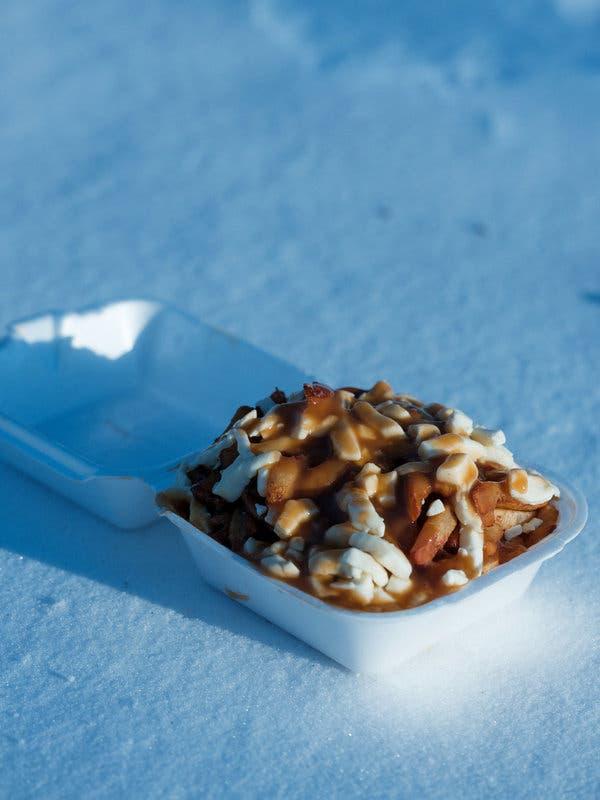
Figure 1 Example of Poutine food (The New York Times, 2023)
Poutine’s dominion is not only in the simple birthplace of Quebec but also is now a mark of Canadian culture it has worldwide. The fact that Poutine goes from a pleasant local cuisine to global fame proves that Poutine can be tied to the cultural community and uniqueness of Quebec, Canada, and the world. But this all-encompassing praise, as brought across by the famous episode of the French-Canadian restaurant Le Roy Jucep, which temporarily changed its name due to the similarity between Poutine and Putin at the height of the geopolitical crisis, has some difficulties and controversy (The New York Times, 2023). It illustrates that food symbols may unconsciously take part in the more profound political matters, bringing the picture of the complex relationship between food, culture and politics into focus. Through food, politics can be used to demonstrate support or anger, just as dishes like the “Moscow Mule” have been renamed “Kyiv Mule” due to global political events. Yet, through this, Poutine illustrates that its appeal is endless, as it is a medium for culture-crossing to bring people with all kinds of backgrounds across the globe together over their shared love for its mesmerizing taste.
Moreover, it generates debates about who amongst all groups owns the cuisines’ culture and affects how they are depicted globally, promoting big problems of cultural ownership and representation in a more linked world. The journey of Poutine from a local delicacy to an international stand-out represents the complex changes in food culture that are taking place in the modern world. Furthermore, one of its dealings is fathoming how food culture deals with the complicated matters of international politics and cross-cultural relations.
Conclusion
Ultimately, the debate over the cultural ownership of Poutine illustrates the vitality of identification with culture and the legacy of ancestry. The controversy brings to the fore two even more serious issues – that of cultural appropriation and the protection of the identity of Quebec within the framework of Canada, even though many Quebecois cherish this delicacy. Nicolas Fabien-Ouellet’s stance favoring Poutine as an original product of Quebec culture instead of an imitation from outside also illustrates the wish for cultural preservation. While Laurent Proulx renames his restaurant in support of Ukraine, he also highlights the correspondingness of local symbols and world affairs. Ultimately, the Poutine’s eclectic and remarkable background points out people from different countries. It stimulates discussions that go beyond the gastro boundaries, no matter if it is viewed as Canadian or Quebecois. It’s more of “Canadianization of poutine” – these were Adele Cordonnier’s words, a recognition of its heritage and an embrace of its popularity.
Reference
The New York Times. (2023). The New York Times. The New York Times. https://www.nytimes.com/
 write
write