1.0 Introduction
The horrific cycle of torture has travelled through a lifetime to torment humanity eternally, leaving a dark stain on the fabric of the earth. The complete outlawing of torture is undoubtedly one of the cornerstones of the human rights movement. This research will serve as guidance as it examines the themes of the historical context, the definition of particular terminologies, the extent of the debate, and the thematic approach. Torture is the one that has been used to instil fear, force, and torture for a great part of known existence. The international community, acknowledging the fact that deep in the heart of torture is the breach of human dignity, which is the one thing that humanity has, and that cannot be violated, has united its efforts on this global level to establish legal frameworks prohibiting its use. The total prohibition of torture, which is inseparably intertwined with international human rights regulation and the achievement of law, demonstrates the dedication to the halo of every single person’s bodily and moral perfection. Despite the international concerted attempts to deal with the ‘War on Terror’ notwithstanding, it has in itself brought numerous new challenges that undermine unambiguous opposition to torture; consequently, the erosion of the prohibition to use torture should be carefully assessed.
To understand the concept of torture, there is a need to break down the standard definition of it as deliberately causing severe physical or mental pain or suffering. Providing the meanings of ‘erosion’ or ‘War against Terror’ terms and emphasising the critical points is also necessary to understand the concept of our analysis. ‘Erosion’ of the primordial prohibition of torture infers a general attenuation of this protection. At the same time, the ‘War on Terror’ entails the overall actions that are targeted at fighting terrorism after the beginning of the 21st century. The essay aims to traverse a complex terrain, which comprises the historical aspects of torture prohibition, the justifications for torture during the war on terrorism, the precise nature of the legal framework changes, and the discontents associated with the erosion of this prohibition. Conversely, emphasis will be given to the fact that it is a global phenomenon, but diplomatic irregularities and their implications will be taken into consideration.
The thematic outlines of this essay are a tool to walk the reader right through from the prohibition of torture prohibition to how it is revitalised. The essay commences with the grounding of torture satisfaction in the early days of prohibition, which will be a foundation for the subsequent theme discussion. The second part will investigate the legitimacy of justifications on which the ‘War against Terror’ was based. It will concentrate on the ethical, legal, and logical arguments involved in this process. With the preceding, the essay will go on to deal with the topic of legal frameworks and the complications in maintaining the issue in the context of developing terrorism fights. The research centres on this hypothesis that the cases when an absolute torture ban is restricted by the ‘War on Terror’ are today an urgent issue. The research will argue that this deterioration has the potential to lead to both the violation of human rights and the disintegration of the core tenets of international law.
2.0 Literature Review
The purpose of the literature review is to offer a holistic and in-depth analysis of the main subject areas related to undermining the widespread toleration of the prohibition against torture primarily through the lens of the ‘War against Terror.’ The research literature highlights the fundamental bases of the ban on torture, then moves to historical aspects, the justification of the ‘War against Terror’ and recent developments in the legal framework.
2.1 Foundations of Torture Prohibition
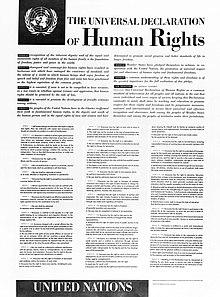
The underpinnings of the absolute renouncement of torture are firmly anchored in the conventions that define a joint undertaking aimed at maintaining human dignity and preventing cruel, inhuman, or degrading types of treatment. The Convention against Torture (CAT) and Other Cruel, Inhuman or Degrading Treatment or Punishment is another significant tool that influences the efforts to end torture around the world. In 1984, the state parties committed themselves to the prevention, inhibition, and ending of torture punishments. The CAT represented the peak of international endeavours to stop this worldwide phenomenon. Since the end of the Second World War, the international community has come up with the Nuremberg Trials that underlined the necessity of the prohibition of inhumane treatment. However, a number of loopholes still need to be addressed and developed. In addition to making the defendant pay for the war crimes, the trial established document-wide norms like the Universal Declaration of Human Rights (UDHR). Article 5 of the UDHR expresses the principle of absolutely forbidding any act which results in torture or inhumane treatment in degrading treatment or punishment in a univocal manner, which therefore strengthens the moral force to protect people from torture..
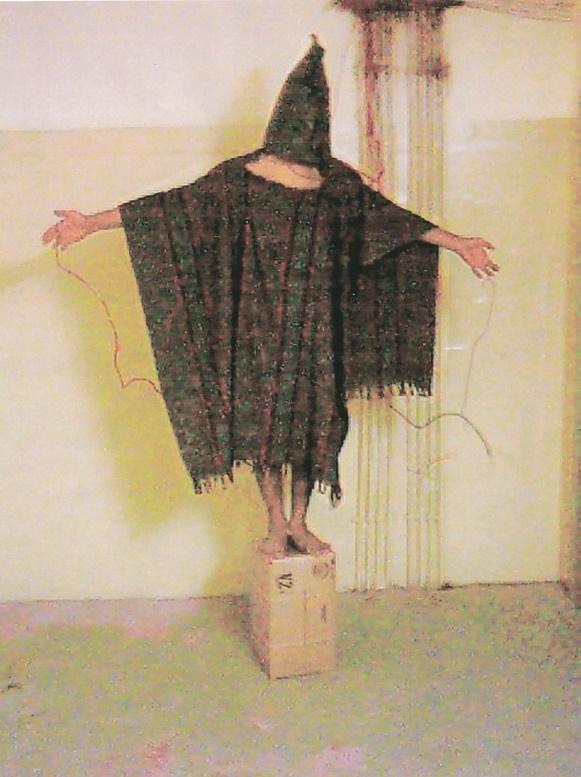
Lauterpacht contends in his book, “An International Bill of the Rights of Man,” that the legislation was required to protect people against torture, which includes physical and psychological abuse. The definition of “genocide” was essentially expanded by Lemkin, the man who coined the term. He noted that contemporary cases provide even more compelling evidence for the permanent prohibition of torture and included both genocide (mass killing committed for racial, political, or religious reasons) and torture within its purview. The 2003 Abu Ghraib affair, which gained attention after cruel American troops subjected captives to torture in Iraq, is only one of many sad reminders of how effortlessly human rights may be violated both during and after a conflict..
2.2 Historical Perspectives
Understanding the modern developments in the imminent abolition of the absolute repression of torture demands the study of the historical precedents. A detailed historical analysis of different periods offers an essential understanding of episodes where torture was used and lessons that were learnt by various societies and the international community. With the expanse of the time frame from the late 1400s to the early 1800s, the Inquisition of the Spanish stands out as a grim moment of history, which was notable for using systematic torture to oppress its inhabitants. How the infamous ‘waterboarding’ and ‘strappado’ were used really demonstrates the cruelty against the person who is convicted and plays along with wrong ideas. The waterboarding method is based on simulated drowning, where the person is restrained, and cloth is put on their face. Water is poured over the fabric, and the person feels similar to drowning because the cloth blocks the air, and the water makes it near death. Torture galore involved in strappado, wherein the victim is bound by the hands at the back and suspended with the wrists, causing severe and unbearable physical pain; one would end up with hand dislocation as a result.
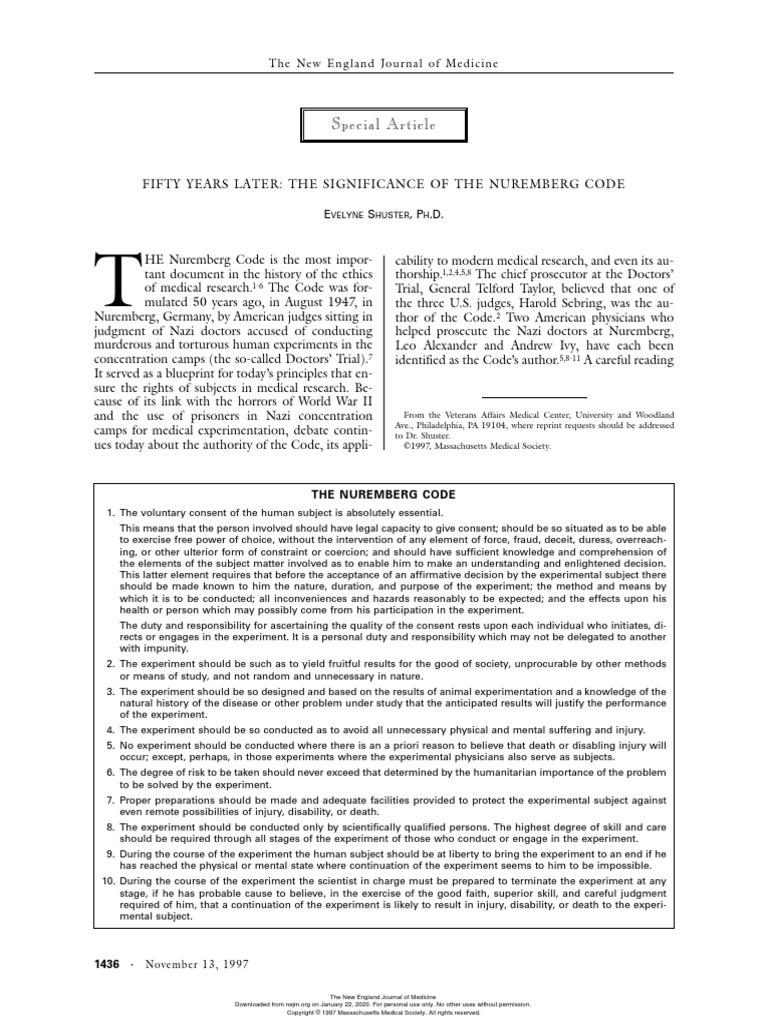
The Enlightenment Age was the time admired for the significant shift in the social outlook towards specific forms of cruelty, including torture. This was highly due to influential ideas as the brutal measures did not only treat human beings inhumanely but failed work. Through the cognitive revolution, there was an acceleration of the thinking premises for such approaches as torturing rules to make them an integral part of legal regulation and a human rights language. The Nuremberg Trials, which took place after World War II, were also valuable components of the events that led to the global condemnation of torture. The Nuremberg and Tokyo tribunals were not only for convicting war criminals but also for putting into words the fundamental principles that supported the inequity and immorality of torture.. The Nuremberg Code, which was laid down from the time after World War II right after the Nuremberg Trials, upholds ethical principles guiding the conduct of human research to safeguard the participants’ rights/welfare. It focuses on voluntary consent as well as scientific justification and the decision to avoid any unnecessary harm, even when performing medical research. Such a framework is fundamental for the ethical approach in medical research.
Episodes like the French-Algerian War or the ‘Dirty War’ in Argentina open the curtain and see the underlying tensions generated by the security imperatives and human rights. At the time of the French-Algerian war (1954-1962) that was infamously known as the French-Algerian War, two belligerents whose unfair fighting practices by both French military and Algerian nationalists and who accused one another of heinous crimes posed a serious moral dilemma. During the period of turbulence accompanied by the formulation of the Guantanamo Bay cell, waterboarding, electric shocks, and severe beatings were included in the list of the torturing methods which was included in the comprehensive interrogation process.
2.3 The ‘War against Terror’ and Justifications for Torture
The beginning of the 21st century was characterised by a radical change in the psyche of terrorism as the ‘War against Terror’ emerged as a necessary and moral measure. Subsequently, the complexity of the moral and ethical limitations to the use of torture in counterterrorism comes under critical analysis. The days following the terrorist attacks of 11 September 2001 marked a new turn in the use or misuse of old norms on reining in the conduct of detainees. Governments, especially the US government, had a tough job on their hands that involved deterrence of future terrorist attacks, even at the cost of working within moral and legal boundaries set up for interrogation measures.. Diplomats, policymakers, and legal experts had a dialogue which was a call for being able to balance national security and a clear statement against torture.
The purpose of the ticking bomb scenario, a hypothetical case where torture is inevitable in order to save innocent people, was put in the forefront and deliberated on. Alan Dershowitz, in his book ‘The Case of Torture Warrants’, claimed that in a critical and restrictionless way, the state could sometimes avail the legal permits saying torture. After the 9/11 attack, the ‘Warning against Terror’ urged people to look at the controversies between the responsibility of providing for the security of citizens and the commitment to respecting human rights.. EITs – a term which refers to techniques which touch the outer brinks of the torture category – are now part of the complex methods applied in the struggle against terrorism. The grounds used supposed the need to break into conversations for on-time inclusion of detail to prevent potential terrorist attacks.
2.4 Evolving Legal Frameworks and Challenges
The ongoing legal process regulating the prohibition of torture is a process of ranking: on the one hand, the threat mitigation from terrorism and, on the other hand, the unquestionable human rights stance. Evolving Legal Frameworks and Challenges discusses the existing regulatory framework, which inhibits and presents a crucial hindrance to the evolution of counterterrorism measures by delving into the secrets of the law domain. After the 9/11 incident, the world community experienced an attitudinal reset related to hostile norms as a result of the perceived danger of terrorism. When the Geneva Conventions, the foundation agreements that protect the rights of prisoners during warfare, were scrutinised in confronting a War on Terror that was not conventional, several controversies arose on the classification of the captives, their entitlements to be protected as well as the applicability of the existing conventions in conflicts which were not individual’s fights.
The appearance of the extra-territorial detention centres, including Guantanamo Bay, had become a symbol of the problems created by those euphemisms within the context of counterterrorist struggles. In trying civilians in court martial or in the confinement of national prisons, the issue of indefinite detention of people without formal charges has been raised. At the same time, the use of enhanced interrogation techniques asks the question of whether they are compatible with international law or not. The difficulties led to drawing the attention of international legal instruments, including ICCPR and CAT, again. The case of Ali Hassan Ag Issa (Guinea vs France), which was examined and defended by the UN Human Rights Committee, became the centre stage.. The conclusion made by the committee was that the state’s actions, even if they take place outside of its borders, fall within the purview of human rights review.
At the national level, the legal frameworks underwent drastic changes as states enacted laws to deal with the complexities of counterterrorism as well as to keep in line with human rights standards. The USA PATRIOT Act, which is aimed at fighting terrorism, has not gone unnoticed. The Act expands the scope of the intelligence agencies’ surveillance and detention powers and provokes deliberations about the fine line separating security concerns from civil liberties.. Nevertheless, challenges manifested in effecting a nexus between the strictness of international human rights law and the demands of counterterrorism continue to be relevant. The practice of universal jurisdiction, the principle that enables the states to prosecute anyone for torture that happened elsewhere, encounters realisation problems. The ruling-out of legal processes as political and the passivity of a few nations to punish their people merely increase the level of complexity in this quest. With time, the legal environment is still the same but is subjected to legal principles of case law, judgments, and the interpretation of international treaties. A complex compromise between safety and human rights is still an unresolved matter, which explains the role of elaborate and dynamic legal norms that take into account changing threats and geopolitical realities. The given sentence is an essential component of writing on an educational platform that aims at helping students in their academic journeys.
2.5 Ethical Implications and Human Rights Consequences
The elimination of the absolute barrier against torture leads to a potential moral issue and a human rights implication, which, however, raises a critical issue as to the equilibrium between the security requirement and the preservation of human dignity. The moral issues underlying the erosion of the proscription of torture stem from the primary point of view, justice and sustenance of the human spirit. The implosion of the institutional wall between severe violence and torture may have further unforeseen effects on human rights protection. Hidden there is the prohibition of the cruel practice firmly incorporated into the international bill of human rights and, in particular, the Universal Declaration of Human Rights, the Convention against Torture, and other international instruments. Besides these personal repercussions, the disintegration of “no torture” regulation of conduct also possesses a more comprehensive social value side effect. The moral fabric of a community is equally central to the issue of torture as it is to its stand on torture. Though it may be tempting to consider torture as acceptable in exceptional cases, the most dangerous thing is that torture undermines the spiritual life of the whole society.
The moral implications of the relaxation of the ban on torture extend well beyond national borders and have a big impact on global affairs. Nations may face international criticism and have their solidarity with other countries and international organisations called into question if they choose to overlook or participate in acts that go against the collective taboo against cruelty. It not only undermines morally sound values in a particular setting but also has the potential to spread the negative effects of the ethical crisis to global society, leading to the worldwide acceptance of unfavourable ideas about justice, morality, and the role of the international community in defending human rights.. It goes beyond only breaking the law to invalidate the prohibition on using torture as a form of interrogation. However, it also has to do with society’s integrity and its core moral principles. This section will examine the moral challenges and drawbacks associated with human rights, namely the absurdity of permitting the reversal of important ethical precepts.
2.6 Case Studies: Examining Instances of Torture
Detailed analysis of particular factors is the key to revealing the mole spread of erosion of the ban on torture. These cases provide natural real-life settings where it is possible to observe how torture has been a solution in some situations, with the nature and reasons for the adoption, and, surprisingly, the effect is made more evident. The present section utilises a selective study of cases, mainly of Abu Ghraib and Guantanamo Bay, as examples to highlight the causes of the undesirable effects of eroding the act of prohibiting torture.
Abu Ghraib Scandal: The Abu Ghraib scandal, one the saddest periods of the Iraq War, explains that American soldiers were infamous for using abuse and torture at Abu Ghraib prison to keep the inmates in. The phenomenon of passion that was awakened in the public was supported by the horrifying pictures as depicted in Appendix C, which demonstrated prisoners being tortured both physically and psychologically, including forced public nudity and degrading treatment. As a result of the leak, the international community started receiving the news about what exactly happened to the prisoners in the name of the war on terror across the world. The situation created uproar, igniting the debate on humanitarian and moral issues, and made the world view interrogation practices of armed services more critically. .
Guantanamo Bay Detention Camp: The detention camp in Guantanamo Bay, the controversial facility that was created in the post-9/11 environment, became the centre of close attention, involving accusations of human rights violations and torture. The facility, which Americans run at the Guantanamo Naval Base in Cuba, detained prisoners and made the trial proceedings invisible. Yet, it was reported that extremely cruel methods analogous to tortures were undertaken, including waterboarding. Prisoners’ conditions and treatment triggered condemnation and debates in the international community regarding the imitation and fairness of detaining individuals without the process of law. The Guantanamo Bay Detention Camp remains iconic, too, as the symbol of the problems and controversies regarding detention methods in the context of the war on world terrorism..
Post-9/11 Rendition Practices: In the aftermath of 9/11, when the war on terror took its global dimension, rendition practices were undertaken, meaning the transfer of individuals suspected of being involved in terrorism without prior trial, to countries in which questionable practices, like horrific interrogation methods and torture, were implemented. The United States, by way of its rendition program, sought to gain intelligence and fight terrorism, which the circuits of the local judiciary systems could not get to. Nevertheless, this exercise was heavily condemned by human rights activists who put forward information on the fact that foreign officials abused detainees. By means of the post-9/11 phenomenon, which is characterised by rendition practices, we are facing the ethical and legal difficulties that may come along with the question of the balance between national security and human rights in terrorist combat..
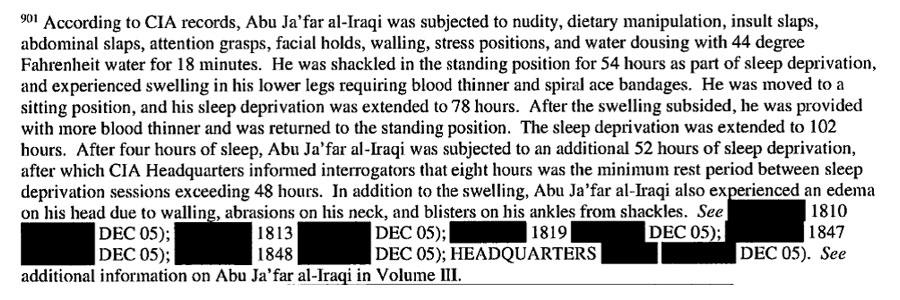
CIA Torture Report: The CIA Torture Report, also famous as the Senate Intelligence Committee report on CIA interrogations, is an exhaustive investigation presented in 2014 focusing on the allegation that after 9/11, the CIAs, through the use of enhanced interrogation techniques (EIT), tortured some of the alleged terrorists. It was suggested that a forceful assortment of diverse torture practices, from waterboarding and extreme sleep deprivation to physical abuse, were practised against detainees imprisoned abroad in secret cells. The negative effects incited censure on the grounds of violations of human rights values and international law, also fuelling dialogues on whether it is justifiable or not to carry out those methods in favour of opposing terrorist movements. An illustrated completion of the CIA’s Torture Report shows the moral and legal dilemmas arising from the practices in the 9/11 phase in the appendix.
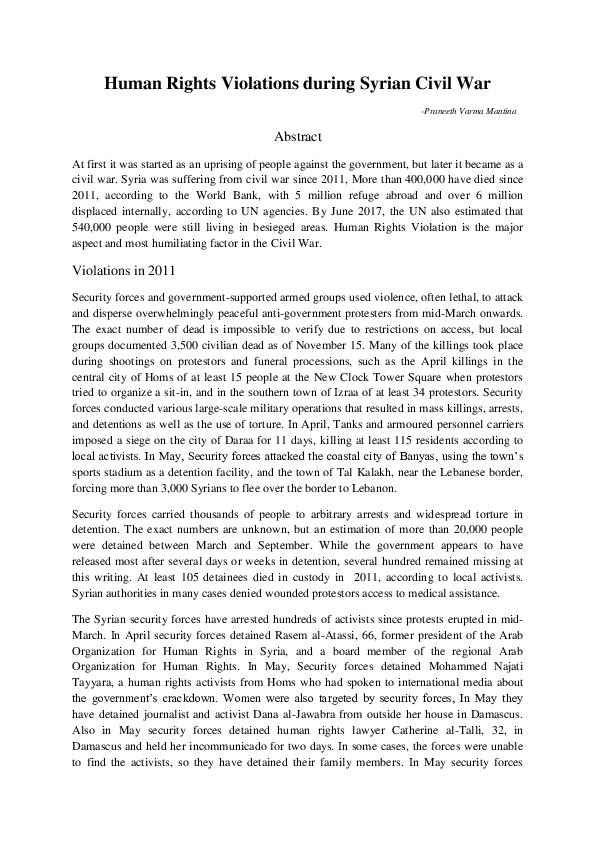
Contemporary Global Instances: The human rights reports on the Syrian case in the current global milieu are inscribed with large-scale allegations of human rights violations, such as torture, as a form of punitive measure. Continually facing a civil war and conflict, different parties, including the Syrian government, have faced accusations of giving inhumane interrogation methods to the cell and torturing them. Dark pages from the reports of international organisations and human rights advocates have manifested happenings of abuse for system purposes, such as detaining innocent people arbitrarily and harsh and inhumane treatment in the facilities for the detainees. Syria is just one of those conflicts that highlight the fast necessity of international justice and consequences for violation of human rights and the nations’ obligations, which again brings to the fore the problems that the world community faces nowadays in terms of the balance of security and human rights..
3.0 Recommendations
In the navigation of the intricate terrain of the erosion of the absolute prohibition against torture, it becomes imperative to outline recommendations that address the multifaceted challenges posed by this concerning phenomenon. These recommendations span international cooperation, legal safeguards, ethical considerations, and the role of civil society in reinforcing the commitment to human rights.
3.1 Strengthening International Cooperation: A Unified Front against Torture
The urgent need for a robust global effort to safeguard human rights is emphasised when the necessity of a balanced redress of the undermining of the overall prohibition of torture is considered. States must take the leading role within the scope of joint efforts. This shows the importance of states in being supposed to uphold any international agreements that they sign. Sharing an ordinary course against torture and defending human rights must be fostered by multilateral initiatives led by international organisations, particularly those which are of the UN. Hosting conferences, workshops, and dialogues can enable the dissemination of a community mindset among all actors to defeat the common problems in the field of torture prohibition erosion. The instillation of states which provide absolute priority to the ratification and implementation of fundamental human rights covenants, focusing mainly on the Convention against Torture and its supplementary protocol, is defining. This standard provision forms a cornerstone of the accepted set of rules and standards, apart from which it might fail to exist as a global treaty with a universal commitment against torture. Also, international accountability mechanisms have to be developed for trying to convince states to respect their embarkation to the world. Co-operation bodies such as the UN Committee against Torture and the ICC are able to control and promote the work of the ICC. As a result, the effect of global checks and balances is improved.
Multilateral efforts have to deem not only the development of legal and regulation frameworks as a priority but also the resolution of the practical problems of torture prevention. This, therefore, entails designing holistic blueprints for the purpose of creating educational and training programs for law enforcement, military and security agencies. Citizens need to be associated with the values of human rights by creating an atmosphere where human rights are valued more highly than any other consideration. In doing so, the most essential principle of non-torture can be reiterated. Realising multilateralism will involve embracing different legal strategies, multi-state accords, and codes of conduct, which start from the bottom to the top.. Sharing a common goal and through collaboration with shared values, the international community can assemble a formidable defence line against the possibility of a reverse of torture prohibition, thus protecting the liberty and rights of all people worldwide.
3.2 Strengthening Legal Safeguards: Fortifying the Foundations of Prohibition
There is an urgent need to contend with torture’s step-by-step dismantling of the absolute ban on torture and giving legal safeguards additional fortifies to the bedrock of this ban. The governments should undertake a wholesome review of national legislation to enable an improvement that is at par with the law of international human rights. Elimination of injustices must include stringent evaluation to prioritise the raising of any existing shortcomings or gaps as opposed to the torture-providing mechanism. This is fundamental! Local legislation is to contain provisions that absolutely prohibit torture. Without any room for tolerance, these provisions are to enumerate the measures that carry on the responsibility of prosecuting and punishing the offenders.. To reinforce legislative safeguards, the extra-territorial application of human rights laws raised to a higher level is superbly appropriate, providing the law’s content is clarified and strengthened. This spells out a condition that requires state actors to state explicitly that no matter the fact that their human rights obligations have an international aspect, the latter does not imply a higher commitment to protect and support those whose homes lie outside their territory. In fact, this includes legal ambiguities regarding circumstances like spontaneous rendition and transfer of detainees, guaranteeing the common court of law irrespective of the geographical jurisdictions.
The proposed system of a judiciary whose function is preventing torture and ensuring accountability is of foremost importance in this context. The focus on the state’s responsibility to support these principles is paramount, ensuring judiciary independence and effective judiciaries that employ judicial review to curb torture. This means the judiciaries have the authority to examine and operate an investigation. They must be flawless and without any influence. It is a legal regime that works by holding all perpetrators of torture accountable, irrespective of their status or power-wielding position.
Additionally, the investment in practical as well as theoretical aspects of training and capacity building for army, militia, and security personnel belongs to the essential categories in this category. Education curriculums ought to not only point out torture’s explicit moratorium but also human questioning processes as well. Respect for human rights must be created in these institutions on the ground because otherwise, their personnel will not be trained in the area of ethical conduct and need to know what mistreatments result in serious legal consequences.
3.3 Civil Society Engagement: Empowering Voices for Change
The advancement of civil society emerges as a power brook in the fight to settle the debate on the competitive removal of the categorical ban on torture. Civil society organisations (CSOs) are a source of tremendous power to governments. They act as human rights defenders, and they also act as watchdogs by monitoring, reporting any abuse, and instigating reform. Recognising this unique and pivotal function of civil society organisations, some of the significant suggestions are to help these groups express themselves to lead the change.. It is essential to ensure their capacities are being improved. Give financial, technical and legal support to them, and it is vital to bring them on board and fight torture. Through these assets, CSOs are able to manage records and report on as well as detail different cases of torture. Therefore, such a system enhances the monitoring and surveillance of both the processes and the chain of command. However, making an effort for research advocacy and the provision of help to the survivors of torture creates a platform where society, particularly civil society, can influence many facets of humanity.
Making a complete system that allows the CSOs across the nations to be connected and collaborate will act as a mirror on the grounds against torture. Sharing of information, popular campaigns and joint legal cases are some of the activities of civil society institutions that facilitate cross-learning and strengthen the impact of their initiatives. This global web propels the enlargement of a group of countries and encourages the comprehensive exchange of experiences of the “do’s” and the “don’ts” in combating torture.. The role of integrity has never been more occasionally challenging for individuals and organisations alike whose intentions are to root out any form of torture. Legal measures must be taken to protect whistleblowers from all forms of retaliation which might compromise their data or safety. They must be accorded the right of confidentiality and protection. This veil is critical to fostering transparency and accountability since a lot of allegations involving torture have previously been exposed by whistleblowers.
4.0 Conclusion
In light of the verdict on torture as a combat tactic, the absolute prohibition against torture should be preserved in order to protect human dignity worldwide. By crossing the complicated worlds of global cooperation, protection measures, moral dilemmas, and individual inclusion, it became clear that a multi-layered approach is fundamental for preserving human rights. The introduction established the context by unveiling the background information as well as the reasons for banning torture, stating the issue to be solved and the main focus, which was/that is whether human rights would still be applicable in the event of rising security considerations.
The idea that international cooperation should be the mainstay of the movement set out to stop the dissemination of the illegal practice of torture gets solidified as well. The research focused on a joint approach raised by all states that torture is utterly rejected, and cooperation between states is essential in this context. The findings reinforced the conception of multilateralism, the universality of ratification of human rights treaties and the strengthening of accountability mechanisms. Such acts, which are based on dialogue and coordination between globe-connected states, condemn the erosion of the anti-torture norms. Side by side with international cooperation, the focus shifted to legal safeguards. The need to modernise the domestic bylaw system, outline relevant concerns across international borders, strengthen judicial power, and hone court-related abilities were all discussed. When combined, these strategic methods create the seedlings of a strong legal framework designed to establish the outright prohibition of torture. By resolving legal problems, the states can ultimately become a strong barrier that is impervious to any erosion of the current order.
Moral guidance was a crucial component of the effort to avoid torture and is essential in the defence of this ban in conjunction with other ethical precepts. The research calls for the adoption of moral leadership, constructive action in the form of moral rules of conduct, honest public relations, and communication with the leaders of the belief system. This is a cognitive endeavour that extends well beyond legal frameworks, as the stakeholders are forcefully urged to re-evaluate not just what they do but also why they do it in this manner. Such principles are implanted inside the essay’s framework, holding even in the face of security flaws. Most people believed that public officials were the ones who spearheaded the effort to stop torture because they were finally giving voice to those who had been abused.
The key idea was highly emphasised by analytically presenting why civil society organisations working on international processes should be free from reprisals. These associations have to be given the power to take their campaigns to the governments and work on reforms. The study emphasised the critical role that civil society plays in restoring the prohibition on torture and furthering justice, citing society as the defender of human rights. It demonstrated the organisation’s strength as a powerful force devoted to preserving core values and reshaping the world.
Bibliography
Babatunde Adegbite O, ‘Weaponisation of the War on Terror and the Sidestepping of Human Rights Norms: Seeking a Balance between the Terrorism (Prevention) (Amendment) Act 2013 and Nigeria’s Obligation under International Human Rights Law’ (2021) 1 University of Cape Coast Law Journal 107
Bachleitner K, ‘Legacies of War: Syrian Narratives of Conflict and Visions of Peace’ [2021] Cooperation and Conflict
Beccaria C, On Crimes and Punishments and Other Writings (University of Toronto Press 2009)
Chaney P, ‘India at the Crossroads? Civil Society, Human Rights and Religious Freedom: Critical Analysis of CSOs’ Third Cycle Universal Periodic Review Discourse 2012–2017’ [2019] The International Journal of Human Rights 1
Chang GC, ‘Encoding the Prisoner’s Abuse Scandal’ [2023] Sprikerlink 333
Dershowitz AM, The Case for Torture Warrants (2002)
Eppel H, ‘Ukraine, Urban Warfare, and Obstacles to Humanitarian Access: A Predicament of Public International Law’ (2024) 49 BYU Law Review 925 <https://digitalcommons.law.byu.edu/lawreview/vol49/iss3/11/> accessed 27 February 2024
Gaer N, ‘The Committee against Torture Tackles Violence against Women: A Conceptual and Political Journey’ (2022) 32 Journal on Rehabilitation of Torture Victims and Prevention of Torture 177 <https://www.duo.uio.no/handle/10852/99621> accessed 27 February 2024
Hamwey MK and others, ‘Post-Traumatic Stress Disorder among Survivors of the September 11, 2001 World Trade Center Attacks: A Review of the Literature’ (2020) 17 International Journal of Environmental Research and Public Health 4344
Hitkul and others, ‘Capitol (Pat)Riots: A Comparative Study of Twitter and Parler’ [2021] arXiv:2101.06914 [cs] <https://arxiv.org/abs/2101.06914>
Howell J and Lind J, Counter-Terrorism, Aid and Civil Society before and after the War on Terror (Palgrave Macmillan 2009)
Kaja Kowalczewska, ‘War-Torn Justice: Empirical Analysis of the Impact of Armed Conflict on Fair Trial Guarantees in Ukraine’ (2023) 9 Revista Brasileira de Direito Processual Penal
Paris M-L, ‘Extraordinary Renditions and Human Rights: Short Observations on the French Case’ [2021] SSRN Electronic Journal
Prunty R, ‘The Impact of French Algeria’s Participation during the First and Second World Wars on the Algerian Nationalist Movement’ (2021) 2 West Virginia University Historical Review <https://researchrepository.wvu.edu/wvuhistoricalreview/vol2/iss1/4/>
Rahman MH, ‘The Universal Declaration of Human Rights (UDHR) as Foundation of the International Human Rights Law’ [2020] SSRN Electronic Journal
Rietveld G, van Wijk J and Bolhuis MP, ‘Who Wants “the Worst of the Worst”? Rationales for and Consequences of Third Country Resettlement of Guantanamo Bay Detainees’ [2021] Crime, Law and Social Change
Rosner ED, ‘Abu Ghraib, Homonationalism, and the Rationalization of Modern Torture’ (2020) 12 Inquiries Journal <http://www.inquiriesjournal.com/articles/1801/abu-ghraib-homonationalism-and-the-rationalization-of-modern-torture>
Terrefe B and Verhoeven H, ‘The Road (Not) Taken: The Contingencies of Infrastructure and Sovereignty in the Horn of Africa’ (2024) 110 Political Geography 103070 <https://www.sciencedirect.com/science/article/pii/S0962629824000192> accessed 27 February 2024
Appendices
Appendix A- The Universal Declaration of Human Rights (UDHR)
Appendix B- Nuremberg Code
Appendix C- Abu Ghraib Torture And Prisoner Abuse
Appendix D- CIA Torture Report
Appendix E- Copy of Human Rights violations during Syria Cicvil War
 write
write