Introduction
Architecture has to do with the capacity of adaptability and evolution as a response to the demands of the world, society, and the profession. One of the most influential architectural institutes to date, the Royal Institute of British Architects (RIBA), leads in standard setting, charging both Practice and academia with the responsibility of preparing architects and architecture students for their chosen profession (Boarin, 2022). The dedication of RIBA to this is demonstrated by the publication of “The Way Ahead”, a comprehensive document that seeks to allude to the new vision in renewing the former commitment to continuous professional development and education, which are now being addressed with renewed vigour and excitement.

“The Way Ahead” introduces a unified standard for pre- and post-registration education and professional development, emphasizing three critical areas: Preservation strategies, fire and life safety, climate change, and ethical Practice. This triad of crucial priorities addresses the contemporary challenges of Riba’s petroleum of architects’ efforts in guaranteeing security for the inhabitants and the environment and adhering to high ethical standards. The document, as the visionary one, will not only show a better future for nursing but also develop a structure based on which the professionals of the future generations will receive their education in three themes and values: mandatory competencies, career role levels, core CPD program, specializations, and accreditations. The first-ever RIBA Strategy: ‘ The Way Ahead ‘, will be phased in over two years, starting in 2021. RIBA has achieved an impressive feat with a wide range of consultations and feedback from members, students, academics, and various stakeholders spread over the globe. The multipart engagement empowers the collective efforts toward putting the framework into Practice on a high level, fulfilling the original goals and mission, and going beyond.
This essay claims that the issues RIBA outlined as top priority in “The Way Ahead” are not merely a problem for the time being but elements that are vital to what architectural Practice today is. Architects nowadays must exert some skills that correspond to what the general people expect concerning ethics, environment, and safety, which are at the top of the list. This essay will look into Fire and Life Safety, Climate Change, and Morality and explain how fundamental they are to the future of architecture. The writer will argue that architects of our time, to pass the challenges of this era, should have up-to-date knowledge, come up with various solutions, and practice subsequent ethics.
Section 2: Climate Change
In the dynamic realm of architecture, where the conversations are getting more frequent around climate change, it is no longer a matter of peripheral concern; instead, it has been pushed as a central consideration and a new building block to architecture, and hence a legacy for a better-built environment and our future generation. This last trend is shown in “The Way Ahead”, published by RIBA, which builds on the institute’s purpose for the future and highlights sustainability since it is also an architectural educational and professional practice. This part addresses the historical context, architectural reply, and climate change mitigation under the RIBA Plan of Work and regulatory framework, which reminds professionals of economic concerns during all stages of the construction process.
Historical Context and Importance
The necessity of raising climate change in architecture is a reaction to the increasing environmental crises that are depicted internationally. The architectural field, responsible for approximating significant greenhouse emissions due to building structures and operations, has thus been overwhelmed by these problems and forced to rethink its approaches. The coming of the Paris Agreement and the direct experience of climatic response by people sharpened the injunction of sustainability, which makes it imperative for sustainable practices to be the dominant approach in the architectural discourse (Jolliffe et al., 2023). Those trends have just usually been the reason for the new philosophy – architects should not tend to the spaces only being occupied, but also the environmental impacts should be minimized.
Response and innovation in architecture
The reaction to the climate emergency covers many diverse areas, from the sustainable design element to the innovative practices. One of the more evident programs is the RIBA 2030 Climate Challenge, which is geared to undermine mission-critical objectives for architects and their projects, including reduction of energy use for maintenance, embodied carbon and water consumption. Therefore, this problem shows a close connection between the building-up profession, which has to stick to sustainable design principles and integrate these concepts into the building documents and the project planning. This has influenced the drafting of contracts, wherein green and sustainable goals are picked, and certification of green building is made mandatory. This ensures that all the ways climate predictions resonate through the project are considered from beginning to end.
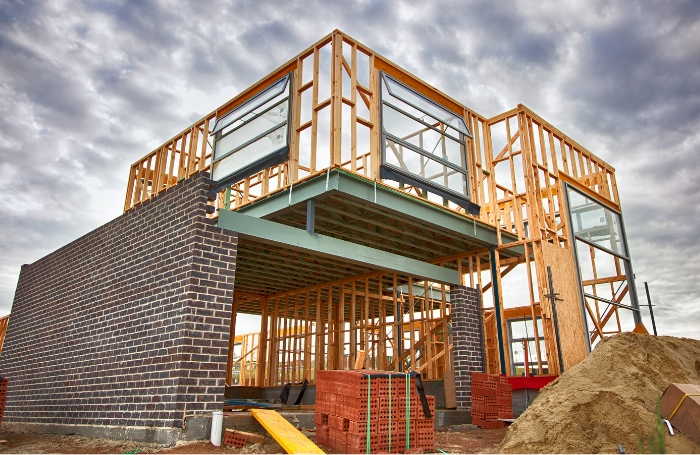
Work is based on the RIBA Plan of Work and Regulatory Framework, supervised by the management body.
Professional architecture management of sustainability, the RIBA Plan of Work and the supervising legal framework are further upheld. The Passivhaus standards form a reference for energy efficiency experts and architects. As such, they were in charge of drawing buildings, which played an important role in protecting the environment. Also, and most importantly, the concentrations of embodied carbon and whole-life carbon assessments have increased, and professional architects now plan the whole life cycle’s carbon emissions. The RIBA Plan of Work integrates sustainability as a common theme that spans all project phases, from the initial to the final. This all-round approach provides architects with an opportunity to adapt such measures as best as possible so that they can face climate crisis challenges holistically.
The narrative about climate change demonstrated by RIBA’s “Ahead” report signifies how the profession understood that architecture must be involved in the effort to reduce carbon emissions significantly. The present and future challenges of climate change have prompted a wide array of steps among architects and students of architecture who are equipped with both information and techniques that enable them to become active players in this crisis as they come up with solutions meant not just to mitigate the current environmental hazard but to also provide long-term solutions for the future climate change challenges (Singha, 2020). The sustainability stance that the RIBA Plan of Work takes and the regulatory framework reaffirms that the profession aims at adapting itself with steadfastness to the ecological requirements so that the architects will be able to serve the social interests with no detrimental impacts on the environment and the lives of people to come in future.
Section 3: Ethical Practice
Historical Context and Importance
An important feature of architecture’s ethical landscape is the observed change that predominantly occurs amidst growing global strains. Generally, this work’s success or failure depends on the ethics surrounding the possibility that the user and the environment can be affected, professional integrity, and equitable access to the architect’s services. We have witnessed the fast-emerging pattern, which shows more diversity, equality, and inclusiveness of people and the earth and the preservation of the environment. High-level events, including the opening of edifices constructed under uncertain circumstances or which refuse to comply with the provision of environmental protocols, have of late scrutinized public attention, necessitating ethical consideration. In addition, the architecture charitable organization’s involvement with the gender gap, the racial diversity problem, and the amenity equity issues have elevated the ethical doctrines to a higher level. These conversations stress the need for ethical aspects which define a department as a welcoming, responsible employer of the environment and the well-being of society.
In phases, with the change of ethical norms, the architectural profession has begun to consider ethics more deeply at all levels of the technology, specifically for client relationships, project decision-making, and contractual obligations. This is illustrated by the increasing number of contract sustainability clauses, increased procurement and operations transparency, and a more preventive strategy adopted in project impact assessment.
The Architects’ Registration Board Code of Conduct in the UK, for instance, is an attribute that can change the course of the ethical behaviour of architects in their Practice. These codes include the basic rules of good manners, truthfulness, and fairness, encouraging architects to value well-being before anything when they create something in their work. Following wise codes is an implicit admission that an architect is highly ethically disciplined in conducting business with their client, project management and community relationships.
RIBA Manual and Legal Regulation.
The incorporation of ethical Practice during the architectural project design and management is the most crucial factor in completing the ethical agenda for every step of the design of the building. RIBA Plan of Work sees this integration in its entirety, highlighting the role of ethical dilemma solutions in project planning, design, construction, and operation to create a respectable and fair world.
Along with RIBA ethical rules and supervisory law, the architecture profession itself signals that it takes ethical Practice seriously. This code provides a compass that shows them how to sail away from ethical problems, basing all decisions on the bigger picture that concerns the community and the world around them. Architects can emphasize ethics at every project stage (Ford et al.,2022) Through measures covering stakeholder involvement, sustainability assessments, and ethical procurement frameworks. “The Way Ahead” and “Education and Professional Development Framework”, the ethical agenda of RIBA, as mentioned in the organizational development strategy, clearly indicate the degree to which the choice of architectural education and the recruitment process has modern ethical challenges at heart (Chohan, 2023). Establishing the wisdom, aptitudes, and experiences needed by architects and future generations of students to develop solutions pushes architecture discipline and society closer to the agenda on which the planet thrives.
Lastly, the ethical implementation of architecture originated from the professional acknowledgement of the architectural role in facing humanity in multiple crises worldwide. By including ethical elements in every facet of their work, the architects can become a vital part of constructing a built environment that serves not only its practical and aesthetic purposes but also the interest of the society, ecological system and equitable distribution of resources.
Reflective thinking
Meditating over the three principal topics of Fire and Life Safety, Climate Change, and Ethical Practice under the Clothing of RIBA’s “The Way Ahead,” these questions touch me vitally and shape my viewpoint on the architecture profession and its functions. As an undergraduate architecture student pursuing professional certification, these narratives aid us in understanding the evolving issues at hand, which is a challenging task for an architectural professional to address the durability issues in our societal, environmental, and social context.
Fire and Life Safety are striking lessons that emphasize architects’ deeply inherent duty to create safety and comfort zones for the occupants. Such as the end of Grenfell Tower, which remains in mind when there is no fire safety in architectural design and material selection; such incidents show the potential for devastating consequences. Safety is a law requiring compliance and a moral duty to protect life. I value this the most and aim to exhibit it by consistently following safe practices. It allows for the understanding that to perpetuate the process of evolving and innovating, one has to be fully updated on recent safety technologies, materials, and regulations.
The most pressing and decisive challenge we face in modernity is a radical reconsideration of how we design our built environment, considering the wonder of the changing climate. With the intensification of climate change-related disasters and the challenge of creating an eco-friendly environment, the situation indicates that architects are key to reducing the environmental impact. Thus, I became more inspired and looked for green design, energy-efficient materials, and innovative construction methods to decrease their carbon footprint. I have developed a future-oriented mindset where I now aim not only for the current reality but also place a greater value on practices that ensure the earth’s health.
Participation in balance means going for more than just ethical conduct; it also touches on diversity, equity connection, and social justice. The consideration of the architectural profession, which is carried out through examination of its purpose and effect on society, influences me to think about how to make an environment that will benefit everyone. Though I used to view ethics as a meta-theme that may pop up in my design process, I now consider solving every design issue seen through these ethical lenses: accessibility and representation, engagement with communities, and respecting cultural and historical contexts.
Such events share this feature in common as the events in one field influence and strengthen those in the others. Ethical practice commitment improves our sustainable strategy for climate change and safety. In the same way, when ethical considerations and safety are put first before any Eco-conscious design, sustainable design happens. Taking such a broad and all-encompassing standpoint becomes a foundation for solving multi-factorial problems in the field of (our discipline) and other areas around the world.
Conclusion
An appreciation for adopting an environment-centred approach and releasing the AIA Ethics Charter this year is the earliest indication of the growing importance of environment consciousness in the architecture profession and, thus, in the academe. This trio of factors, which also supports the profession’s more specialized goals, such as providing space for human activity, preserving the environment, and ensuring legal codes of conduct, are intertwined and form architecture’s sustainability and ethical hub. Fire and life safety have been heeded as important aspects, and worries have arisen, particularly after some unfortunate fatal events that underlined the crucial importance of implementing robust safety regulations during the design and building process. Technical capabilities are overcome through this absolute commitment to raising fire and life safety. However, it also highlights the moral obligation towards people to ensure that the built environment is a safe and resilient place.
Climate Change is one of the most pressing challenges facing our world. This requires an annual and comprehensive action from the globe, mainly in architecture. Engagement of the profession in this topic is part of a bigger picture; it stands for sustainable design principles, along with its flexibilities and improvements, proving that it can be creative and innovative. The architectural reaction to climate change is no longer saving emissions or enhancing the lifestyle by reducing energy usage; it is the way to think beyond, transforming spaces into accommodations with mother nature. Ethical Practice, where issues of Diversity and Equity alongside Inclusivity and Integrity become the key areas of attention, is now the central theme widespread in our societies. In a world that tries hard to narrow down social rift and looks for more sustainability, the ethical valences in the architectural sector play a dual role in client relationships and decision-making in projects and in determining the profession’s ethos. Ethical issues have made it possible for architecture to deter vice while also portraying moral correctness and the sustainable use of resources.
Above, we see that this compound area is intimately bound to the overall function of architecture as a discipline. In union, future engineers will adopt a triad of the principles (safety, sustainability, and ethics) that guide everyone to a future where ethical obligations do not follow an option list but are basic requirements. This comprehensive approach to environmental design substantiates the aims expressed in RIBA’s “The Way Ahead”, according to which professional architects of the 21st and the centuries beyond are well-equipped to deal with the challenges they face nowadays. RIBA’s Education and Professional Development Framework, taking the direction of architecture education and professional development as a new approach, is justly available. Through applied health and life safety, a climate emergency and professional ethics are increasingly dominant. This framework system addresses the vital issues of our era. Phase-wise implementation of this plan since 2021 signifies a willingness to change the profession has to follow these objectives.
When architects and architecture students apply a new outline, they do it with enough round knowledge, the perfect set of skills, and relevant experience as the world gets rapidly likened. Allowing medical professionals to adhere to these fundamentals across all the operation domains of their profession will be important for its continued relevance and effectiveness. Forthcoming, architecture is expected to take a leading role in the execution of a multitude of issues that humanity is in a position to deal with in society. The profession will do Fire and Life Safety, Climate Change, and Ethical Practice, and this will not only upgrade the situation of the built environment but will bring us to a world of sustainability and equality.
The lessons in the fire safety and life safety, climate change, and ethical practice sessions depict how architecture can adapt along the upward path. The architects once again satiate the principles from “The Way Ahead” and re-establish that the Practice is safe, sustainable, and morally right. In the future, the road will be intricate and littered with uncertainties; having a strong faith in these fundamental objectives makes the architecture profession continue to be a resource for society through innovative ideas, academic honesty, and vision.
References
Boarin, P., & Martinez-Molina, A. (2022). Integrating environmental sustainability considerations within architectural programs in higher education: A review of teaching and implementation approaches. Journal of Cleaner Production, 342, 130989.
https://doi.org/10.1016/j.jclepro.2022.130989
Chohan, A. H., & Awad, J. (2023). Shaping the Architects of Tomorrow, Interplay of Teaching Philosophies and Practice Requirements: An Empirical Taxonomy of Professional Architectural Practice in the UAE. Buildings, 13(5), 1231.
https://doi.org/10.3390/buildings13051231
Chanis, V., & Braghieri, N. (2023). Repair-in (g) Architecture. Towards an Architectural Theory of Sustainability.
https://www.lancaster.ac.uk/lica/news/call-for-papers-towards-an-architectural-theory-for-sustainability
Ford, B., Mumovic, D., & Rawal, R. (2022). Alternatives to air-conditioning: policies, design, technologies, behaviours. Buildings and Cities, 3(1), 433–447.
http://doi.org/10.5334/bc.256
Jolliffe, E., & Crosby, P. (2023). Architect: The evolving story of a profession. Routledge.
Raji, A. (2023). Ethics over aesthetics content analysis on including environmental ethics within the undergraduate architectural curriculum.
https://hdl.handle.net/2077/78679
Ruttico, P. (Ed.). (2023). Coding Architecture: Designing Toolkits, Workflows, Industry. Springer Nature.
Singha, S. (2020). Future healthcare design. RIBA Publishing.
https://doi.org/10.4324/9780429347955
 write
write